




It has become far too easy (and arguably lazy) to suggest that artificial intelligence is disrupting Europe’s IT sector, both quickly and dramatically. That traditional IT work—systems integration, legacy maintenance, enterprise resource planning (ERP) implementations—is being compressed by AI-native platforms that can do in hours what once took months.
For those of us who try to look through such developments with a reinvention lens, the reality looks far more insidious: AI is simply revealing which bits of the IT sector were always likely to be expendable. The sector’s foundations, particularly in countries that have thrived on cheap, low-cost service delivery (of which there are many in Central, Southern and Eastern Europe). If the sector is to survive, AI needs to be viewed not as a tool to enhance it, but as an audit of the entire value chain.
The mistake arguably lies in treating AI as just another wave of innovation, much like cloud computing or mobile before it. It is not. AI is rewriting where value sits, and the results make for grim reading. Tasks that once required 40 mid-level IT workers might soon need just a few orchestrators and a cluster of algorithms. Goldman Sachs estimates that 92 per cent of IT jobs will be transformed by AI, hitting mid-level and entry-level positions hardest. Unemployment among 20-to-30-year-olds in tech-exposed occupations has jumped nearly three percentage points since early 2025.
When intelligence becomes the product
Europe, which possesses strong engineering talent, robust industrial IT capabilities, and experience in regulated environments, is nevertheless particularly exposed, given that what it conspicuously lacks is control.
The continent has system plenty of integrators but precious few AI platform owners. Roughly 70 per cent of cloud capacity available in Europe comes from American providers such as Amazon, Microsoft, and Google. Some 85 per cent of graphics processing units needed for AI are controlled by American firms. Europe’s IT sector, in other words, sells services atop infrastructure it does not own. That worked when IT meant managing complexity, but falters when intelligence itself becomes the product.
American giants dominate not just cloud capacity but the developer platforms, foundation models, and data gravity that determine who wins in AI. China, meanwhile, has built a vertically integrated AI stack—state capital backing computing infrastructure, domestic foundation models, and tight coupling between data and applications. Europe’s response has been largely limited to regulation, lots of it. The General Data Protection Regulation (GDPR), the AI Act, countless directives on digital sovereignty are all, at least in part, sensible. But regulation without economic leverage creates friction, not power. It is the equivalent of writing detailed traffic laws whilst lacking roads.
Three futures
Three futures beckon for Europe’s IT sector, none particularly appetising. The first is the utility trap: IT becomes invisible infrastructure, margins erode, and the very services firms sell get automated away. This is already underway. The second option, more hopeful, involves repositioning as orchestrators—firms that govern AI systems, manage risk, and integrate intelligence across enterprises. Europe’s strength in compliance, trust, and systems accountability could matter here, but this demands reinvention, not optimisation. The third path, building a ‘European OpenAI’, remains politically seductive but economically implausible. History suggests Europe chronically underestimates the capital, speed, and ruthlessness required to compete at platform scale.
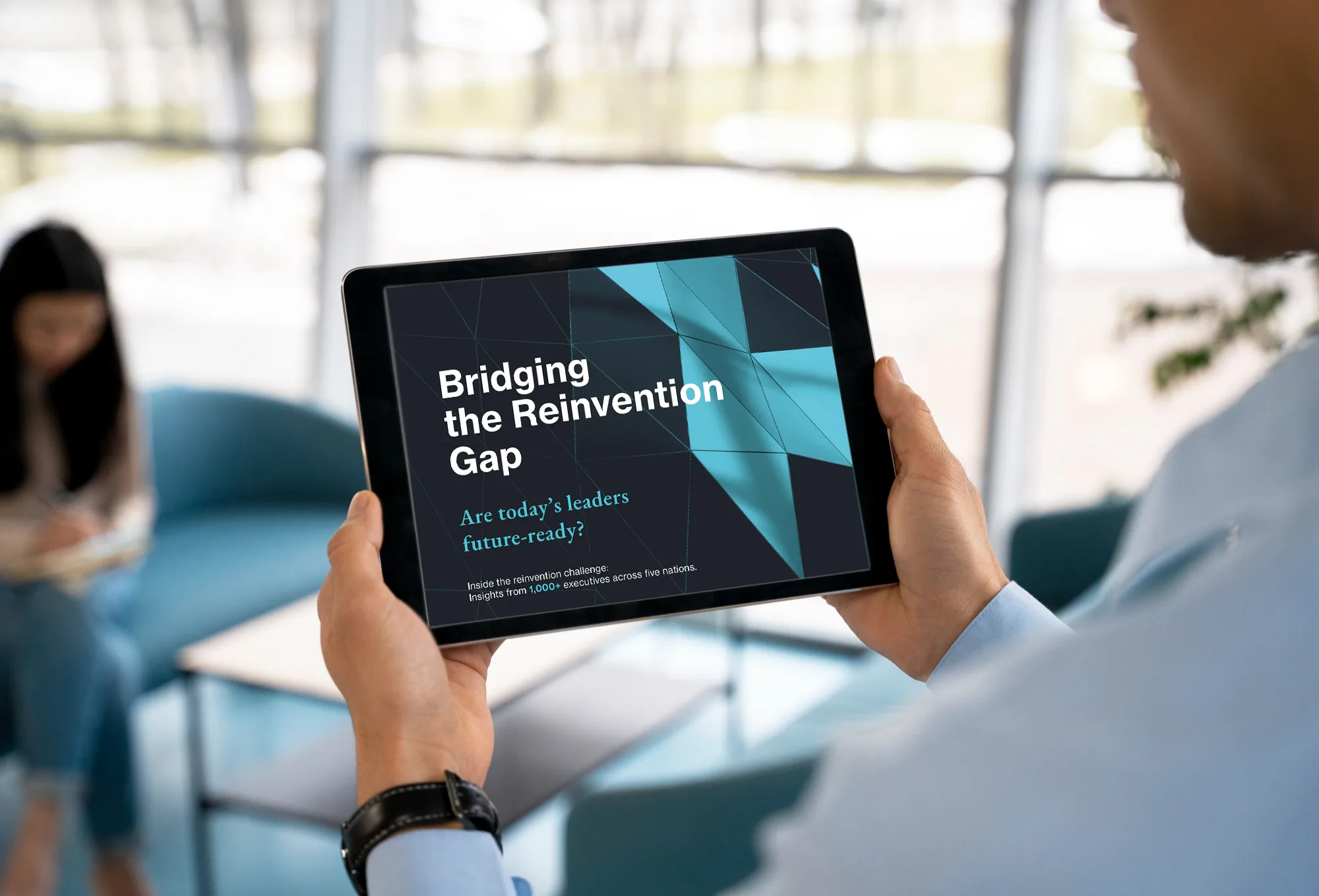
Bridging the Reinvention Gap
Elsewhere, the game is clearer. In America, AI extends platform capitalism: IT collapses into ecosystems controlled by a handful of firms where speed trumps coherence. China treats AI as state-industrial policy, wielding IT as a strategic instrument rather than a market category. Europe, meanwhile, optimises for safety whilst others optimise for dominance. The gap is measurable. A recent survey found that 61 per cent of Western European chief information officers intend to shift workloads to local providers due to geopolitical concerns—yet the technical reality makes this fiendishly difficult.
As one analyst noted, most regional cloud providers “are not on par with global hyperscalers in both execution and vision.” Europe is caught between dependence and aspiration, with no obvious escape route.
Are we still essential?
So what would genuine reinvention look like? Not more pilots. Not additional AI task forces. And certainly not ethical frameworks without economic teeth. Reinvention means ruthless portfolio pruning, by exiting low-value IT services that AI will commoditise anyway. It means rebuilding around domain expertise, trust, and systems accountability rather than pretending the old integration playbook still works. It means accepting that portions of today’s IT sector will simply vanish.
Companies that drift into the utility trap whilst talking about orchestration will discover, too late, that they were managing yesterday’s systems whilst tomorrow’s intelligence passed them by.
AI will not destroy Europe’s IT sector overnight. That would be dramatic, even merciful. Instead, it will do something more dangerous: make parts of it irrelevant. The signs are already visible in declining market share despite growing revenues, American platforms capturing Europe’s AI spending, employment shifting from building to administering systems others control. The organisations that survive will be those that understand that power in the age of AI flows to those who control intelligence infrastructure, not to those who merely manage its deployment.
The question facing Europe’s IT sector is no longer What can we build? but What are we still essential for? The industry that has spent decades perfecting the art of implementation now faces an environment where implementation is being automated.
Those who grasp this reality quickly stand a chance. Those who insist the old rules still apply will join the mounting pile of services that seemed indispensable until, rather suddenly, they were not.
Photo: Dreamstime.