


More than 85 per cent of the combined population of Kazakhstan, Kyrgyzstan, Tajikistan, Turkmenistan and Uzbekistan is Muslim. Central Asia sits at the heart of Eurasia, straddling trade routes that connect China to Europe, and commands aggregate economic output that the IMF projects will reach 675 billion US dollars by 2028. And yet the region is not a significant player in global Islamic finance. The five Central Asian nations together hold a combined 699 million US dollars in Islamic finance assets, a paltry 0.01 per cent of global totals.
Indeed, Global Islamic finance assets reached 4.9 trillion US dollars in 2023, according to ICD-LSEG’s Islamic Finance Development Report, up 11 per cent on the year before, with projections pointing toward 7.5 trillion US dollars by 2028. The sector has grown 175 per cent since 2012. It now operates in 90 countries, is anchored in 618 Islamic banks, and is governed in whole or in part by Shariah-compliant regulations in 57 jurisdictions.
What Islamic finance actually is
The distinction from conventional banking is principled, not cosmetic. Islamic finance operates under Shariah law, which prohibits riba (the payment or receipt of interest) and demands that financial transactions be anchored in real economic assets. Money cannot beget money through the mere passage of time. Profit must be earnt, not extracted.
In practice, this produces a range of instruments distinct from anything in a conventional bank. Murabahah is a cost-plus sale arrangement used for, amongst other things, purchasing property. The financier buys an asset and then sells it to the client at an agreed mark-up, paid over time. Ijarah is leasing. Mudarabah creates a partnership between a capital provider and an entrepreneur, with profits shared and financial losses borne by the capital side. Sukuk (often described as Islamic bonds) represent ownership in an underlying asset, providing returns tied to that asset’s performance rather than to a predetermined interest rate. The Shariah-compliant alternative to insurance, Takaful, functions through mutual contribution to a collective pool rather than through premium extraction.
Central Asia’s potential
Kazakhstan is currently the only country in Central Asia that makes even a minimal impact in the Islamic finance sector. It ranked 19th globally in Islamic Finance Development Indicator ratings for 2024 and hosts two Islamic banks (Al Hilal and Zaman Bank) with combined assets of 621 million US dollars. Its Astana International Finance Centre has developed frameworks that prompted financial regulators from all five Central Asian nations to adopt a joint declaration of intent. Elsewhere, progress is thinner. Kyrgyzstan holds 59 million US dollars in Islamic banking assets; Tajikistan, 36 million. Uzbekistan, with 36 million people and 88 per cent Muslim (the region’s most populous nation) had no publicly reported Islamic banking assets at all.
Why? The problems are structural rather than cultural. Public awareness of Islamic financial principles remains low across all five countries. Regulatory frameworks are fragmented: only three of the five nations have enacted Islamic finance legislation of any kind, and Turkmenistan has neither a framework nor an operating Islamic financial institution. The talent pool is thin. Double taxation on Islamic transactions historically made certain products commercially unviable, though Tajikistan amended its tax code in 2022 to address this. Uzbekistan’s finally passed Islamic banking legislation this week.
The move is welcome, not least as in Uzbekistan, 16 per cent of unbanked adults cite religious reasons for having no bank account. Access to Shariah-compliant financial services could help close this financial inclusion gap.
Time to get serious
A joint report from the Eurasian Development Bank and the Islamic Development Bank Institute last year projected Islamic banking assets across the region growing to 6.3 billion US dollars by 2033, driven mainly by Kazakhstan and Uzbekistan. Sukuk assets could reach 5.6 billion US dollars over the same period. The projections assume governments move meaningfully on regulation: Uzbekistan’s new legislation suggests it is.
For foreign financial institutions, particularly European ones, the case for Islamic finance is harder to dismiss than it might initially appear. Central Asia sits along the Middle Corridor, the trans-Caspian trade route connecting China and Europe via Kazakhstan, and the European Union’s Global Gateway strategy has placed the region firmly in play as an economic partner. Infrastructure needs are enormous. A 2023 OIC Infrastructure Outlook estimated a funding gap of 142 billion US dollars for Europe and Central Asia (excluding Türkiye) between 2016 and 2040. Roads account for three-quarters of the shortfall. Landlocked countries with growing trade ambitions need tarmac.
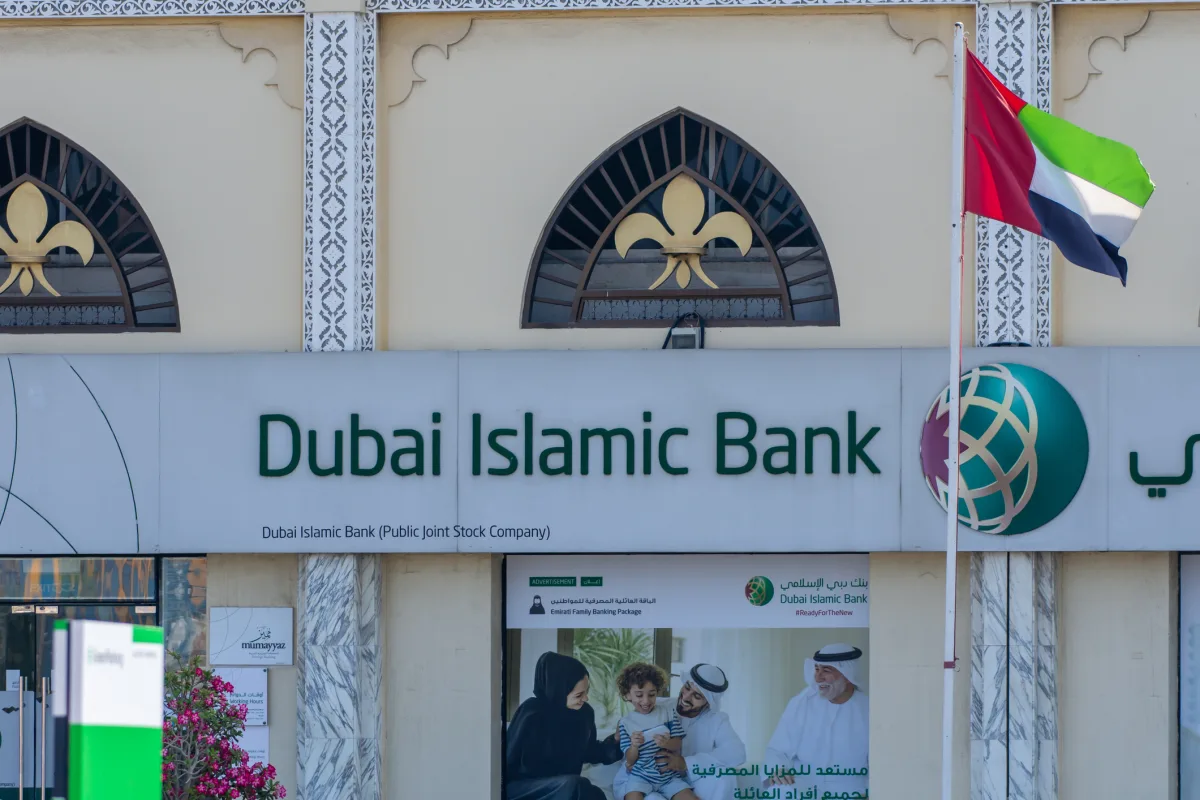
The Islamic Development Bank has committed 8.4 billion US dollars across 462 projects in the five nations. Gulf banks (notably Qatar Islamic Bank, Dubai Islamic Bank, and Al Rajhi) are the natural expansion candidates given their existing expertise and deep familiarity with Shariah-compliant structures. British institutions have less obvious footholds, though the Bank of England’s Alternative Liquidity Facility for UK Islamic banks suggests an institutional ecosystem that could inform a broader regional push. France’s BNP Paribas and Germany’s Deutsche Bank both offer Islamic financial products. The infrastructure is there, if the appetite follows.
A market with 85 per cent Muslim populations, combined GDP growing above five per cent annually, and Islamic banking penetration below one per cent in most countries is not going to stay overlooked. The question is which institutions move first, and which, distracted by more familiar markets, arrive to find the seats already taken.
Photo: Dreamstime.