



Jodie Cook published four business lessons from the World Cup in Forbes on June 26, among them the advice to build a reputation before the moment arrives, drawn partly from the stoppage-time winner Ghana’s Caleb Yirenkyi scored against Panama. Pam Didner, a marketing consultant, followed two days later in Inc. with four marketing lessons, opening on FIFA’s decision to hire Coldplay’s Chris Martin to curate a half-time show at MetLife Stadium. Inc. also found room for Rui Aguas, who as Cape Verde’s coach messaged Roberto Lopes on LinkedIn in 2019 and then waited nine months for a reply. Lopes, a centre back at Shamrock Rovers who had once worked in a bank, played at this tournament.
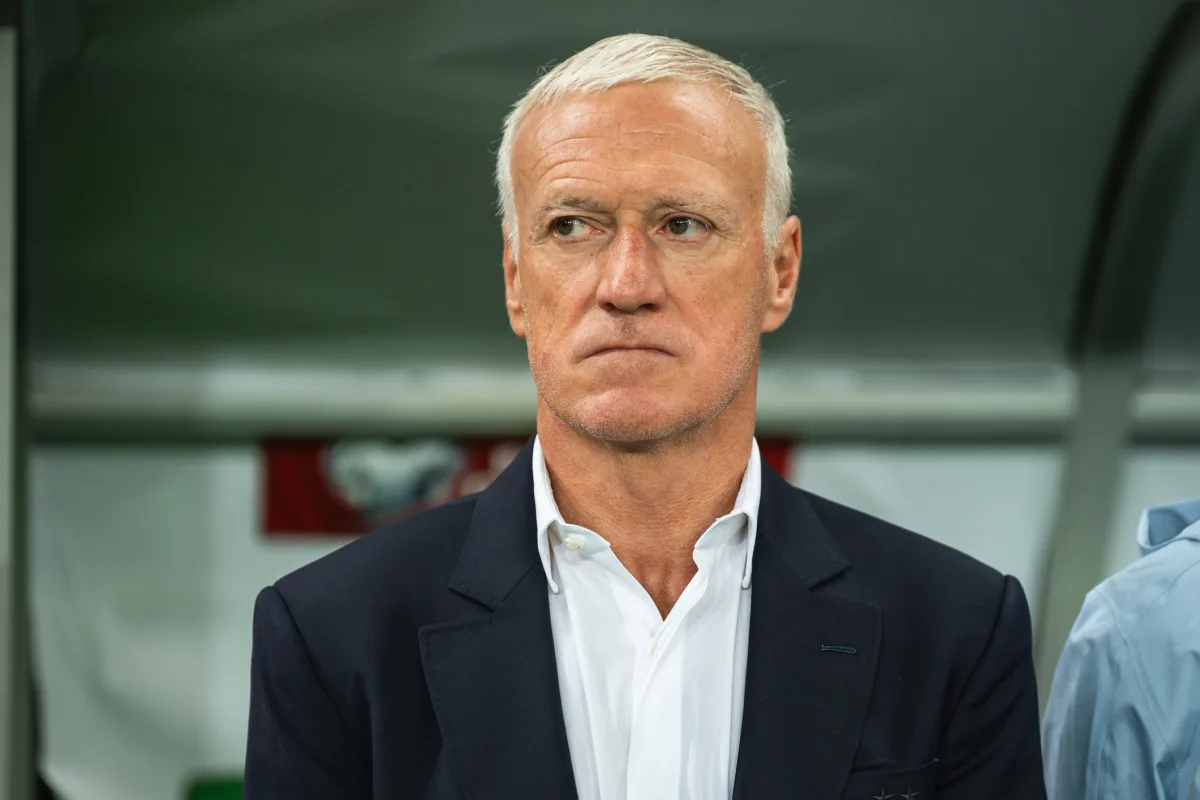
Mikel Oyarzabal scored from the penalty spot against France on 22 minutes in Dallas on July 14 and Pedro Porro added a second on 58, which put Spain into Sunday’s final at MetLife. Didier Deschamps, who has coached France with great success since 2012, winning a World Cup in 2018, had confirmed before the match that he would leave the job afterwards. His likely successor is thought to be World Cup-winning player Zinedine Zidane, but no formal announcement has yet been made. Were shares in the French national team traded on the Paris bourse, its stock would currently be falling.
Anita Elberse, a professor at Harvard Business School, and Tom Dye, her former student, spent Sir Alex Ferguson’s final season as Manchester United’s manager watching him work at Carrington, the team’s training ground, and Old Trafford, its storied stadium, and published their case study in September 2012.
Elberse and Ferguson then co-wrote Ferguson’s Formula for the Harvard Business Review in October 2013, five months after he had retired, setting out eight principles. David Gill, the club’s chief executive at the time, supplied the comparison the piece needed: “Steve Jobs was Apple; Sir Alex Ferguson is Manchester United.” The formula, the authors wrote, applied well beyond football. Since Ferguson’s retirement, United have failed to win the English Premier League.
The game ends when the time is up
Former England cricket captain Mike Brearley published The Art of Captaincy in 1985, three years after his last match for his club, Middlesex, and it carried no subtitle. Pan Macmillan reissued the book in 2015 as The Art of Captaincy: What Sport Teaches Us About Leadership, with a foreword by Ed Smith, a former England batsman, and an afterword by the film director Sam Mendes. The publisher’s copy called it indispensable for cricket fans and business leaders alike. Brearley had begun analysis in the early mornings before days of county cricket, trained as a psychoanalyst once he stopped playing, and later served as president of the British Psychoanalytical Society. In Brearley’s case, he clearly had something worthwhile to say.
He is very much the exception that proves the rule, however. Margaret Heffernan, a former chief executive turned author, wrote in May 2014 that the sport/business analogy breaks down because in sport the game ends when the time is up, while healthy companies outlive the people who run them. Manchester United have yet to recover from Ferguson’s retirement. With no named successor to Deschamps, the French national team faces an uncertain future. Perhaps it is not business that can learn from sport, but sport from business.
Photo: Dreamstime.