


neobanks
Settling accounts
parallax background

Knowing when to fold

Political capital is hard to write off

June 25, 2026

5 min read

June 25, 2026

5 min read

Photo: Dreamstime.

In March, Toshihiro Mibe, Honda’s chief executive, scrapped three electric models his company had spent years promising. The writedown came to just under 10 billion US dollars, and Honda booked its first annual loss in 70 years. Mibe was blunt: it had become “extremely difficult to ensure profitability”. The targets that once justified the spending were quietly dropped. Weeks earlier Jim Farley’s Ford had taken a 19.5 billion US dollars charge and killed the electric F-150 Lightning in favour of a petrol-fed version. By late March the Sony-Honda venture run by Yasuhide Mizuno had walked away from its Afeela saloon, which never reached a single showroom.

Sir Keir Starmer declared the United Kingdom’s Rwanda deportation scheme “dead and buried” on his first full day in office, in July 2024. Suella Braverman, the home secretary who had championed it in cabinet, insisted it would have worked “had it been delivered properly”. James Cleverly, another former home secretary, defended it too. Yvette Cooper, the incoming one, put the cost to Parliament on July 22: 700 million UK pounds spent, 290 million of it sent to Kigali, for four people removed, all of them voluntarily. She called it, “the most shocking waste of taxpayers’ money” she had ever seen. The policy had been proposed under Boris Johnson in 2022 and ruled unlawful by the UK’s Supreme Court in November 2023; the government’s answer was an Act of Parliament declaring Rwanda safe. It outlasted Liz Truss and Rishi Sunak before Labour’s victory at a general election finished it off. Rwanda’s government was under no obligation to give the money back.

No reverse gear

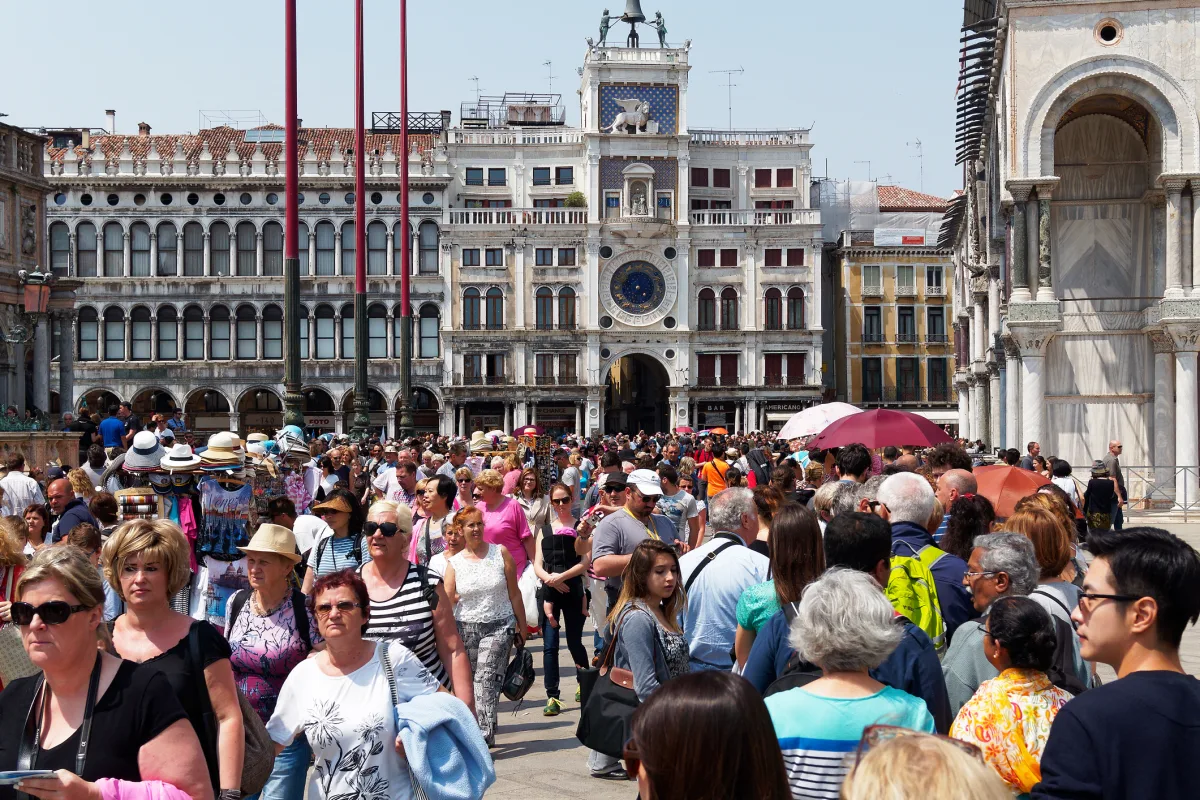
Magnus Brunner, the European Union’s home affairs commissioner, declared the bloc’s Entry/Exit System (EES) fully operational on April 10, 2026, a step he said was “modernising and enhancing the security of Europe’s external borders”. The Commission had first proposed it in April 2016, under Jean-Claude Juncker, and adopted it in 2017; switching it on took until 2026. The design was simple enough. A non-EU visitor gives fingerprints and a facial image once, to a central database run by the bloc’s technology agency, then crosses on a quick scan for three years. Olivier Jankovec, who runs the airports’ association ACI Europe, had warned the previous December that the half-finished system was already inflicting “significant discomfort”. Between October and April it logged 52 million crossings and turned away 27,000 people.

Jankovec had seen it coming. His December warning gave way, by February, to a joint letter: he, Ourania Georgoutsakou of Airlines for Europe and Thomas Reynaert of the carriers’ body IATA told Brunner there was a “complete disconnect” between the Commission’s confidence and the arrivals hall. The detail was concrete. Lisbon had suspended the system after queues reached seven hours; in France the automated gates still could not read a British or American passport months after launch; enrolment had lengthened processing by as much as 70 per cent. The Frontex app meant to speed things up worked in only a couple of countries. Greek border police carried on stamping British passports into the spring, and the Commission could only remind the Greek authorities of the rules. Brunner held the deadline anyway. In April more than 100 easyJet passengers missed a flight from Milan to Manchester, stuck in the queue the system was supposed to shorten. Queues at the EU’s borders could reach six hours this summer, the IATA, the airline trade body, has warned.

In September 2024, Mario Draghi handed Ursula von der Leyen a 400-page report on Europe’s competitiveness, in which the former central banker called it “crucial to reduce the regulatory burden on companies”. More than 60 per cent of EU firms, his team found, already treated regulation as an obstacle to investment. The same airlines fighting the border system had told Brunner that flexibility was a prerequisite for the bloc’s reputation as a welcoming and desirable destination. Von der Leyen made competitiveness her second-term slogan, launched a Competitiveness Compass in January 2025 and promised to thin the rulebook. A year on, an independent observatory in Brussels counted 43 of Draghi’s 383 recommendations as fully implemented, around one in nine; at a conference that September Draghi said every problem he had named had got worse. Christine Lagarde endorsed his domestic-reform agenda that November. In 2026 he collected the Charlemagne Prize for the report.

Mibe had pointed Honda toward cheaper hybrids before the writedown cleared its books. Brunner could make no such turn: the EES, adopted in 2017 and years in the building, might be paused for a summer but never unwound. Political capital, once spent, is far harder to write off. Von der Leyen had spent the year promising investors a faster, lighter Europe, but the packages that thinned reporting rules for small firms left the border system exactly where it stood. The carmakers had already moved on. Until governments and supranational bodies such as the EU learn to be as agile as the companies they want to attract, they will continue to be left behind. Or stuck at the border.

Photo: Dreamstime.

Reinvantage Insight

Reinvantage Insight

The byline Reinvantage Insight is used to denote articles to which several members of the Reinvantage insight and analysis team may have contributed.

Share

Case study: Global technology company

1. The Client

A global technology company operating across EMEA, with a regional HQ in Istanbul. The company manages 20+ markets, handling everything from brand campaigns to strategic partnerships.

Role we worked with: The EMEA Head of Marketing (supported by two regional managers).

2. The Challenge

Despite strong products and a respected global brand, the regional team was struggling with:

  • Misaligned strategy across markets → campaigns executed with inconsistent narratives.
  • Slowed growth → lead generation plateaued despite increasing spend.
  • Internal friction → marketing, sales, and product teams disagreed on KPIs and priorities.

Traditional fixes (more meetings, more reporting) only created more noise.

3. The Sprint

We ran a 10-day Remote Reinvention Sprint with the regional HQ team.

  • Day 1–3: Intake → Reviewed decks, campaign data, and plans.
  • Day 4: Sprint Session (90 mins) → Breakthroughs:
    • Sales and marketing had different definitions of “qualified lead.”
    • 40% of spend was going into low-potential markets.
    • The team assumed the problem was lack of budget, but it was actually lack of alignment.
  • Day 5–10: Synthesis → Insights distilled into a Clarity Brief + Insight Canvas.
4. The Breakthrough

The Sprint uncovered that the issue wasn’t budget, but fragmentation.
Three sharp insights unlocked a way forward:

  1. Unified KPIs bridging marketing + sales.
  2. Market prioritisation → shifting budget to 5 high-potential markets.
  3. Simplified narrative → one EMEA core story, locally adaptable.
By just realigning resources and focus, the client could unlock an estimated £250,000 in efficiency gains within the next 12 months — far exceeding the Sprint’s value guarantee. The path to higher returns was already inside the business, hidden by misalignment.
5. From Sprint to Action (4 Pillars Applied)

With clarity secured, Reinvantage didn’t suggest “more projects.”

Instead, we used the Sprint findings to create laser-focused next steps — drawing only from the areas that would deliver the most impact:

  • Readiness → Alignment workshops for sales + marketing teams. New playbooks clarified “qualified lead” definitions and reduced internal disputes.
  • Foresight → A market-opportunity scan identified which 5 countries would deliver the highest ROI, removing the guesswork from allocation.
  • Growth → Guided the reallocation of €2M budget and designed a phased rollout strategy that protected risk while maximising return.
  • Positioning → Built a messaging framework balancing global consistency with local nuance, ensuring campaigns spoke with one clear voice.

Because the Sprint had stripped away noise, these actions weren’t generic consulting ideas — they were directly tied to the breakthroughs.

6. The Results
  • +28% increase in qualified leads across the region.
  • 30% faster campaign rollout due to streamlined approvals.
  • Budget efficiency gains → €2M redirected from low-return to high-potential markets.
  • Internal cohesion → marketing + sales now use a single shared dashboard.
The client came in believing they needed more budget.
The Sprint revealed that what they really needed was clarity and alignment.

With that clarity, the four pillars became not theory, but practical tools to deliver measurable impact.

The Sprint guaranteed at least £20,000 in value — but in this case, it helped unlock more than 10x that within six months.

Case study: Regional VC fund & accelerator

1. The Client

A regional venture capital fund and accelerator focused on early-stage tech start-ups in the Baltics and Central Europe.

The fund had raised a new round and was under pressure to deliver stronger returns while also building its reputation as the go-to platform for founders.

Role we worked with: Managing Partner, supported by the Head of Portfolio Development.

2. The Challenge

Despite a promising portfolio, results were uneven.

Key issues:

  • Scattered portfolio support → no consistent playbook for start-ups, every partner did things differently.
  • Weak differentiation → founders and co-investors saw the fund as “one of many” in the region.
  • Stretched team → too many small bets, not enough clarity on which companies to double down on.

The leadership team knew something was off, but disagreed on whether the issue was pipeline quality, market conditions, or internal capacity.

3. The Sprint

We ran a 10-day Remote Reinvention Sprint with the partners and portfolio team.

  • Day 1–3: Intake → Reviewed pitch decks, pipeline funnel data, and start-up performance reports.
  • Day 4: Sprint Session (90 mins) → Breakthroughs:
    • No shared definition of a “high-potential founder.”
    • Support resources were spread too thin across the portfolio.
    • The fund’s positioning was more reactive than proactive — it didn’t own a distinctive narrative in the market.
  • Day 5–10: Synthesis → Insights consolidated into a Clarity Brief + Insight Canvas.
4. The Breakthrough

The Sprint revealed that the challenge wasn’t pipeline quality — it was lack of focus and positioning.

Three core insights provided the turning point:

  1. Portfolio Prioritisation Framework → defined clear criteria for where to double down.
  2. Founder Success Playbook → standardised support model for portfolio companies.
  3. Differentiated Narrative → repositioned the fund as “the accelerator of reinvention-ready founders.”
These shifts alone gave the fund a path to add an estimated £2M+ in portfolio value over the following 18 months, by concentrating capital and resources where they could move the needle most.
5. From Sprint to Action (4 Pillars Applied)

With clarity from the Sprint, Reinvantage created a tailored support plan:

  • Readiness → Coached partners on using the new prioritisation framework and trained the team on deploying the Founder Success Playbook.
  • Foresight → Ran scenario analysis on regional tech trends, helping the fund anticipate where capital would flow next.
  • Growth → Guided resource reallocation across the portfolio and supported new co-investor pitches for top-performing start-ups.
  • Positioning → Crafted a sharper brand story for the fund, positioning it as the reinvention partner for globally minded founders.
6. The Results
  • 10 portfolio companies onboarded to the new Playbook → greater consistency of support.
  • Raised follow-on capital for 3 top start-ups with the new prioritisation framework.
  • +26% increase in inbound deal flow from founders citing the fund’s new positioning.
  • Stronger internal cohesion → partners aligned on where to focus resources.
The client thought the problem was pipeline quality.
The Sprint showed it was actually lack of clarity and focus inside the firm.

By applying the four pillars, Reinvantage helped turn scattered effort into concentrated value creation.

The Sprint guaranteed at least £20,000 in value; here it set the stage for multi-million-pound upside in portfolio growth.

Case study: International impact Organisation

1. The Client

A large international impact organisation focused on entrepreneurship and economic empowerment.
The organisation runs multi-country programmes across Eastern Europe and Central Asia, often in partnership with global donors and corporate sponsors.

Role we worked with: Senior Programme Director, responsible for regional coordination.

2. The Challenge

The organisation had launched a flagship regional initiative supporting women entrepreneurs, but the programme was underperforming.

Key issues:

  • Fragmented delivery → each country office interpreted the programme differently.
  • Donor frustration → reporting lacked consistency and clear impact metrics.
  • Lost momentum → staff energy was spent on administration rather than scaling success stories.

Traditional programme reviews had produced long reports, but no real alignment or action.

3. The Sprint

We ran a 10-day Remote Reinvention Sprint with the regional leadership team and representatives from two country offices.

  • Day 1–3: Intake → Reviewed donor reports, programme KPIs, and field feedback.
  • Day 4: Sprint Session (90 mins) → Breakthroughs:
    • Donors cared about quantifiable outcomes, but reporting focused on stories.
    • Staff were duplicating efforts across countries, wasting time and resources.
    • The initiative lacked a clear theory of change — everyone described its purpose differently.
  • Day 5–10: Synthesis → Insights distilled into a Clarity Brief + Insight Canvas.
4. The Breakthrough

The Sprint revealed that the issue wasn’t donor pressure or programme design — it was a lack of shared framework and alignment.

Three critical insights reshaped the path forward:

  1. One Unified Theory of Change → agreed narrative for why the programme exists.
  2. Core Impact Metrics → clear, comparable KPIs across all countries.
  3. Smart Resource Sharing → digital hub to stop duplication and accelerate knowledge flow.
By eliminating duplicated reporting and clarifying what success looks like, the client saw they could save the equivalent of £100,000 in staff time annually — while also unlocking stronger donor confidence and follow-on funding opportunities.
5. From Sprint to Action (4 Pillars Applied)

Armed with Sprint clarity, Reinvantage proposed a laser-focused support plan:

  • Readiness → Trained programme leads on using the new metrics and integrated them into existing workflows.
  • Foresight → Analysed donor trends and expectations, aligning the initiative with the next funding cycle.
  • Growth → Developed a funding case based on the new unified theory of change, securing higher renewal chances.
  • Positioning → Crafted a regional success narrative and storytelling toolkit, helping them showcase results consistently across markets.
6. The Results
  • 30% less time spent on reporting → freed capacity for programme delivery.
  • Donor satisfaction improved → positive feedback on the clarity of impact evidence.
  • Secured new funding commitment → one major donor increased their contribution by 20%.
  • Stronger internal morale → staff felt they were working with clarity, not chaos.
The client thought it needed better donor management.
The Sprint revealed it needed a shared foundation across its teams.

By anchoring on the four pillars, Reinvantage turned alignment into efficiency gains and fresh funding opportunities.

The Sprint guaranteed at least £20,000 in value; here it unlocked both six-figure savings and future-proofed funding.

Case study: National digital development agency

1. The Client

A national digital development agency tasked with driving the government’s digital transformation agenda, including e-services, citizen portals, and smart city pilots.

Role we worked with: Director of Digital Transformation, supported by IT and service delivery leads from three ministries.

2. The Challenge

The agency had strong political backing but faced hurdles in implementation.

Key issues:

  • Siloed projects → each ministry developed digital tools independently, leading to duplication.
  • Citizen frustration → services were digital in name, but still required multiple logins and offline steps.
  • Funding pressure → international partners demanded clearer impact in the short term.

The agency wanted to accelerate momentum but struggled to get alignment across ministries.

3. The Sprint

We ran a 14-day Immersive Reinvention Sprint with the agency’s leadership and digital focal points from three ministries.

  • Day 1–3: Intake → Reviewed strategy docs, donor reports, and citizen feedback data.
  • Day 4: Immersive Sprint Session (half-day) → Breakthroughs:
    • Each ministry had different definitions of “digital service.”
    • 20% of budget was going into overlapping pilot projects.
    • Citizens’ top frustrations were known — but not prioritised.
  • Day 5–14: Synthesis → Insights consolidated into a Clarity Brief + Insight Canvas.
4. The Breakthrough

The Sprint revealed that the biggest blocker wasn’t lack of funding, but lack of shared priorities.

Three practical insights stood out:

  1. One Definition of Digital Service → agreed across ministries.
  2. Quick-Win Prioritisation → focus on top 3 citizen pain points (ID renewal, business registration, healthcare booking).
  3. Shared Resource Map → pool budgets to eliminate duplication.
These changes alone allowed the agency to unlock £75,000 in immediate savings and deliver 2–3 visible improvements in the next quarter — meeting donor expectations and building citizen trust.
5. From Sprint to Action (4 Pillars Applied)

Based on the Sprint clarity, Reinvantage proposed a modest, targeted package of support:

  • Readiness → Facilitated inter-ministerial workshops to embed the “one digital service” definition.
  • Foresight → Analysed citizen feedback trends to shape the quick-win roadmap.
  • Growth → Supported the reallocation of funds to joint projects, reducing overlap.
  • Positioning → Crafted a communication plan highlighting early digital wins to donors and citizens.
6. The Results
  • 2 pilot services integrated into the central portal (ID renewal + healthcare booking).
  • Budget savings of £75,000 from eliminating overlapping projects.
  • Citizen satisfaction up modestly → call centre complaints on digital services dropped by 12%.
  • Donor confidence improved → short-term impact report received positive feedback.
The client thought it needed more funding and bigger projects.
The Sprint revealed it first needed clarity and alignment.

By applying the four pillars to a targeted scope, Reinvantage helped deliver visible results within a single quarter — proving progress to citizens and donors and laying the groundwork for deeper transformation.

You must be logged in to view this page. Login here.

Bridging the Reinvention Gap: Fill this form and get your preview copy immediately.

Future of IT: Fill this form and get your preview copy immediately.

War for Talent: Fill this form and get your copy immediately.

The Voice of Ukrainian Start-ups: Fill this form and get your copy immediately.

The uncounted engine: Ukraine’s start-up rise. Fill this form and get your copy immediately.

The Investment Promotion Playbook 2025: Fill this form and get your preview copy immediately.

The Reinvention Masterclass for Start-up Founders: Join the private cohort

Beyond Borders: Join the private edition