

Shavkat Mirziyoyev’s annual presidential address to the parliament and the people of Uzbekistan has evolved into a cornerstone of the national political calendar.
It is a moment of strategic reckoning closely monitored by both domestic stakeholders and the international community to discern the country’s trajectory.
The address delivered in late December 2025 marked a watershed moment in the nation’s history, highlighting that Uzbekistan’s GDP has reached 145 billion US dollars according to World Bank data. This milestone was achieved ahead of the schedule set by the national development strategy, signaling an accelerated pace of economic modernisation.
This robust economic growth is providing the leverage necessary for a leap in technological sovereignty. In an era of total digitalisation, Uzbekistan is prioritising its own space and satellite infrastructure. The announcement regarding the launch of a national satellite is set to catalyse the domestic IT sector and telecommunications.
Furthermore, the nation is reviving its historic scientific legacy, tracing back to the 15th-century astronomical breakthroughs of Mirzo Ulugbek, by initiating a programme to send the first Uzbek cosmonaut into space.
The engine of these reforms is the strategic focus on human capital. With over 220 universities now operating in the country, many of which are private, Uzbekistan is rapidly expanding its educational capacity. Central to this effort is the El-Yurt Umidi Foundation, which sponsors top-tier international education for specialists who return to apply their global expertise in service of the state.
A new era of diplomatic leadership
Uzbekistan has effectively transformed into one of the premier continental platforms for high-level diplomacy. Over the past year, the country hosted the 150th Assembly of the Inter-Parliamentary Union, the UNESCO General Conference, the Central Asia–European Union summit, and the International Climate Forum.
Perhaps the most significant achievement of Uzbek diplomacy is the fundamental shift in regional dynamics. Once characterised by isolation and unresolved border and water disputes, Central Asia is now emerging as a model for regional integration. While the region does not yet have a formal structure like ASEAN or the EU, the Consultative Meetings of the Heads of State (initiated in 2018) reached a new level of maturity at the 7th Summit in 2025. Key proposals for institutionalisation included: Establishing a permanent Secretariat on a rotational basis; Elevating National Coordinators to the rank of Special Presidential Representatives; Creating a Council of Elders to leverage the wisdom of respected public figures in ‘people’s diplomacy’.
This regional gravity was further evidenced in 2025 when Azerbaijan joined the Consultative Meeting framework, bridging the Caucasus and Central Asia.
Conflict resolution and the Silk Road renaissance
A pivotal success has been the de-escalation of border tensions, particularly the 2022-initiated conflict between Kyrgyzstan and Tajikistan. Through Uzbekistan’s mediation, a historic border agreement was signed in Khujand in March 2025, accompanied by a Declaration of Eternal Friendship. This was followed by the Fergana Peace Forum in October 2025, where representatives from all three nations engaged in an unprecedented open dialogue regarding the future of the Fergana Valley.
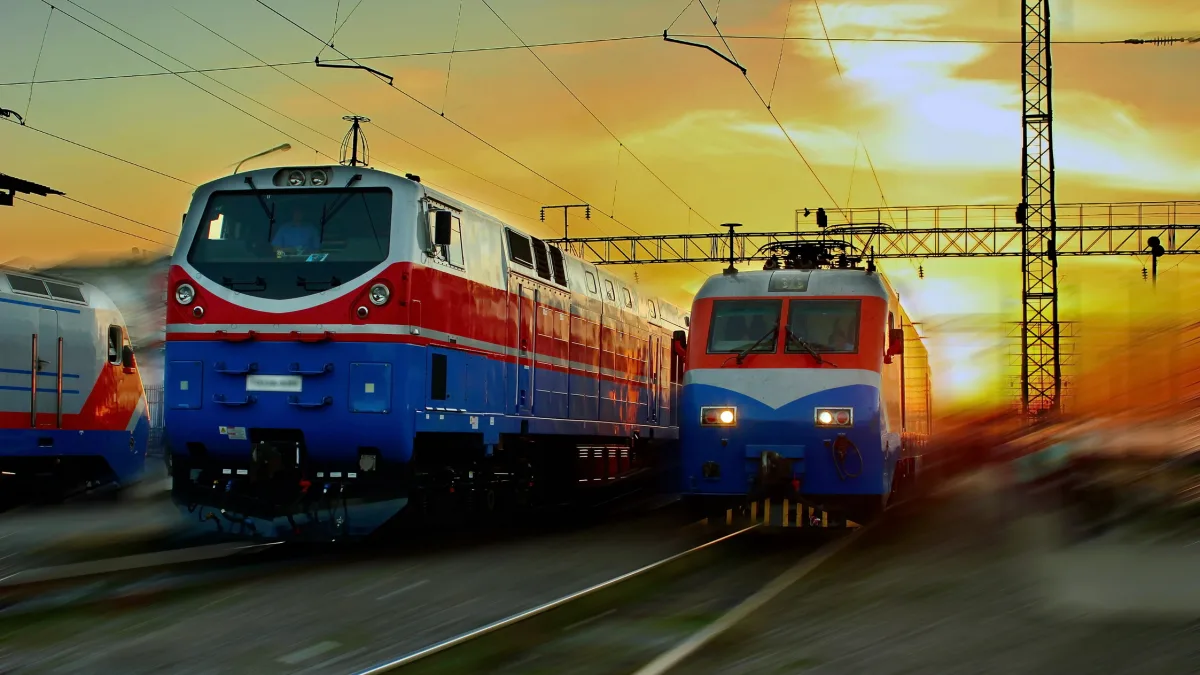
Economically, Uzbekistan is spearheading a Silk Road renaissance. By moving away from geographical landlockedness, the country is positioning itself as a vital ‘land-bridge’ between East and West, North and South. Uzbekistan is now a proactive participant in major corridors, including the Middle Corridor, North-South, and the Trans-Afghan corridor.
Pragmatism and southern connectivity
A hallmark of the current foreign policy philosophy is economic pragmatism. Uzbekistan is increasingly looking toward South Asia, viewing it as a massive market and a gateway to the Indian Ocean ports. The 2025 ‘Termez Dialogue’ underscored this vision of inter-regional connectivity. In this framework, Afghanistan is viewed not as a pariah, but as a crucial transit partner. Tashkent maintains that ignoring Afghanistan only exacerbates instability; instead, it advocates for increased humanitarian aid and the integration of the country into regional energy and transport projects such as TAPI and CASA-1000.
Finally, this pragmatic stance is reinforced by deep cooperation with global financial institutions. Working alongside the IMF, World Bank, ADB, IDB, EBRD, and the AIIB, Uzbekistan continues to modernise its infrastructure and transition toward sustainable energy.
Stability and progress
The initiatives outlined in the presidential address confirm Uzbekistan’s status as one of the central geopolitical and economic nodes in Eurasia.
By balancing high-tech ambitions and human capital development with a sophisticated, proactive foreign policy, Tashkent is not merely adapting to a changing world—it is actively shaping the regional architecture.
Uzbekistan’s role as a mediator and a commercial bridge ensures that the nation remains a vital guarantor of stability and progress across the heart of the continent.
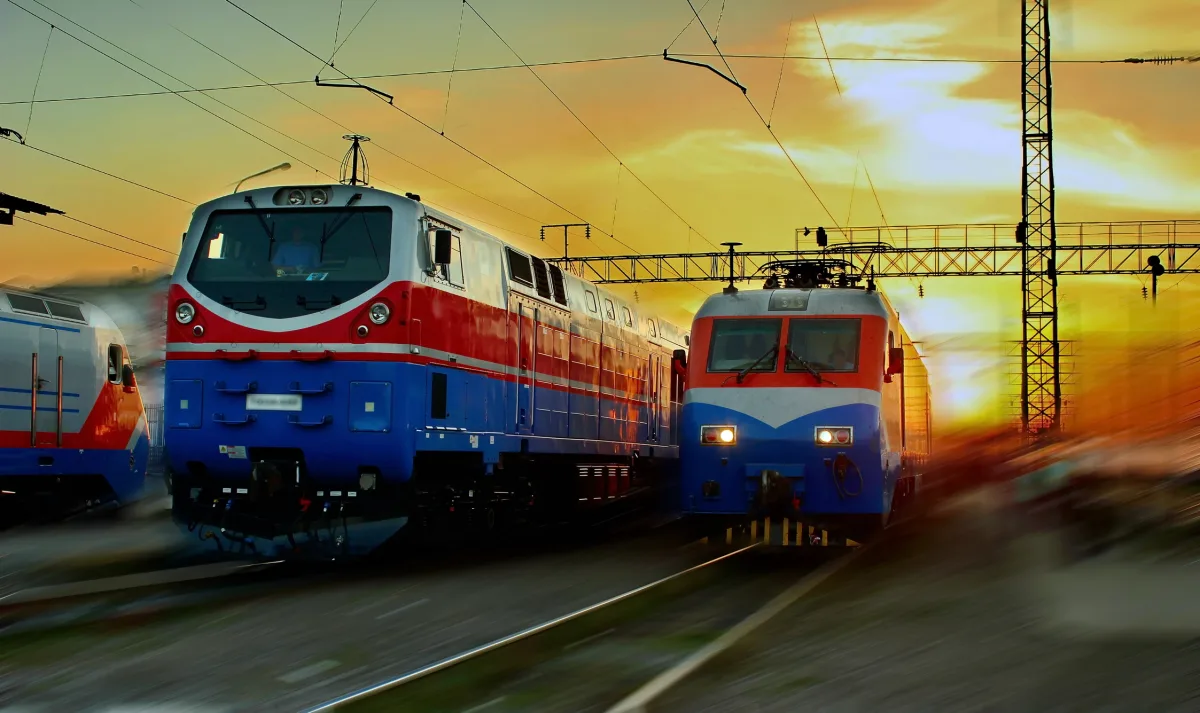
Photo: Dreamstime.