



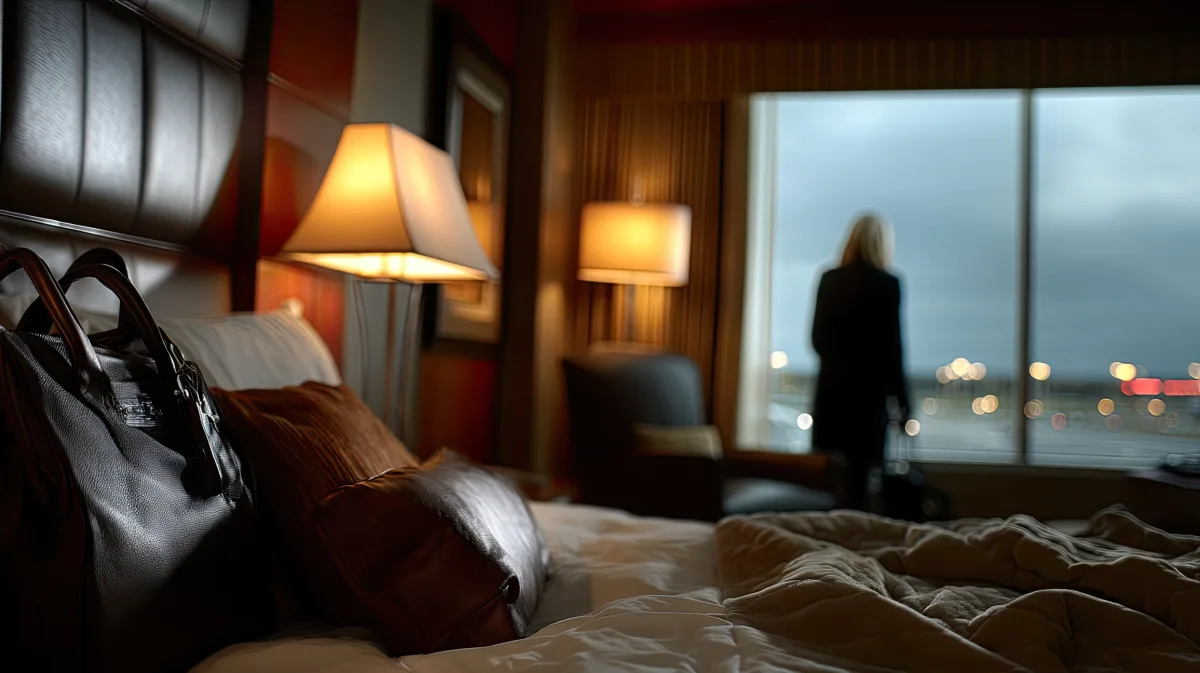
The act of checking in to a hotel has changed very little in, well, decades. Plastic cards might have replaced keys, immediately turning on the television to see what channels are available might have been replaced by verifying that the WiFi works, but hotel rooms have, in essence, remained much the same for generations. There’s usually a bed, a chair, a wardrobe, a desk, and a bathroom: more often than not perfectly adequate for the vast majority of travellers.
With that in mind, the hotel sector might at first glance appear both ripe (in the sense that so little has fundamentally changed for so long) and ill-suited (in the sense that so little needs to change to keep punters happy enough) for reinvention. Besides, if ever there were a time for the reinvention of hotels, it was two decades ago when online, short-term letting agencies such as Airbnb first appeared, at a stroke opening up to the general public thousands of alternative places to stay, often at far better prices.
The current backlash against short-term rentals, however (from both municipalities and travellers) offers hotels another chance to reinvent themselves. From Barcelona (which plans a city-wide ban on all short-term tourist apartment rentals, including Airbnb, by the end of 2028) to Vienna (which has introduced strict regulations to manage short-term rentals), tourist rentals are being at least partially blamed for housing shortages, and for locals being priced out of their own cities. Even the European Union has been forced to take action. Rules which come into force in May will regulate short-term rentals and seek to curb speculation in the housing market. While the EU insists that it does not intend to ban short-term holiday lets outright, it wants local authorities to have a greater say in how the short-term rental sector is regulated.
Travellers meanwhile are increasingly unhappy with often sky high additional levies (on top of rental prices) being charged by landlords, such as exorbitant cleaning fees and hefty fines for minor damage such as a broken cup or plate. Some landlords insist that rental properties are left spotless by holidaymakers themselves, yet still charge for cleaning. There’s an opportunity here for hotels to win friends.
The human element
So how should they go about it? Being a bit more flexible and acting less like short-term rental landlords might help. Hotel check-in times, once universally around midday, have been creeping forward for years. Some hotels will now not allow guests to check-in until 4pm unless surcharges are paid.
That is precisely the wrong direction. Airbnb guests already grumble about narrow check-in windows, hosts who vanish when something goes wrong, and checkout checklists longer than some rental agreements. Hotels should be making life easier for travellers, not harder.
A good start would be in how guests are charged. The short-term rental sector’s dirtiest secret has long been the gulf between the advertised nightly rate and the final bill. A recent survey of more than 2,000 American travellers found that 63 per cent had avoided booking an Airbnb because of high cleaning costs or onerous checkout requirements. Airbnb’s decision in April 2025 to mandate that hosts display total prices upfront was a belated admission that its old model was broken. Hotels, which have long bundled housekeeping into a single rate, should trumpet this advantage, and do the same with municipal tourist taxes: often still an add-on to the final bill, as if they were an optional extra.
Then there’s the human element, at which hotels have a distinct advantage, or did. When the boiler breaks midwinter in an Airbnb at midnight, guests are at the mercy of a host who may or may not pick up the phone. Hotels almost always used to have front desks, concierges, and maintenance staff on call. Many, however, have done away with such quaint relics, preferring automation where possible to reduce staffing levels. This is a mistake, for as short-term rentals have scaled up (many are now run by faceless management companies, not friendly locals with a spare room) the guaranteed presence of someone who can actually help is a genuine selling point.
The local’s friend
Hotels have been slow in copying what made short-term rentals attractive in the first place. Space, for one. A family of four crammed into a standard hotel room is nobody’s idea of a holiday. Offering larger rooms with kitchenettes and living areas that blur the line between hotel and home would help.
Technology can help too, provided it serves guests rather than replaces staff, or overcomplicates heating and air conditioning settings. (Making your room a comfortable temperature should not require an engineering degree—it often does). The smartest hotels will use tech to automate simple enquiries, billing, and issuing time-consuming expense invoices, freeing up staff for the things that matter: a decent restaurant recommendation, a swift resolution when something goes wrong, and the kind of warm greeting no algorithm can fake.
The real trick, however, is perhaps something far less tangible. The best short-term rentals offer a sense of place in a neighbourhood, maybe next a popular café. They offer a feeling of living somewhere rather than merely visiting. Hotels have traditionally sealed themselves off from their surroundings, rarely forming an integral part of their communities. A growing number are trying to break the habit, opening restaurants and bars to locals, hosting events, and curating guides that go well beyond the usual tourist tat. The Social Hub, a Dutch chain with properties across Europe, has built a model around co-working spaces, community events, and long-stay options that appeal as much to local freelancers as to digital nomads passing through. Where short-term rentals are seen by locals as the enemy, hotels would do well to position themselves as the local’s friend.
Reinvention then, might not be entirely the right word for what hotels should do, merely repositioning. Hotels need only carry on offering what they have always done (comfort, consistency, and someone to call when there’s no hot water) while pinching the best bits from a rival whose shine is beginning to fade.
Photo: Dreamstime.