


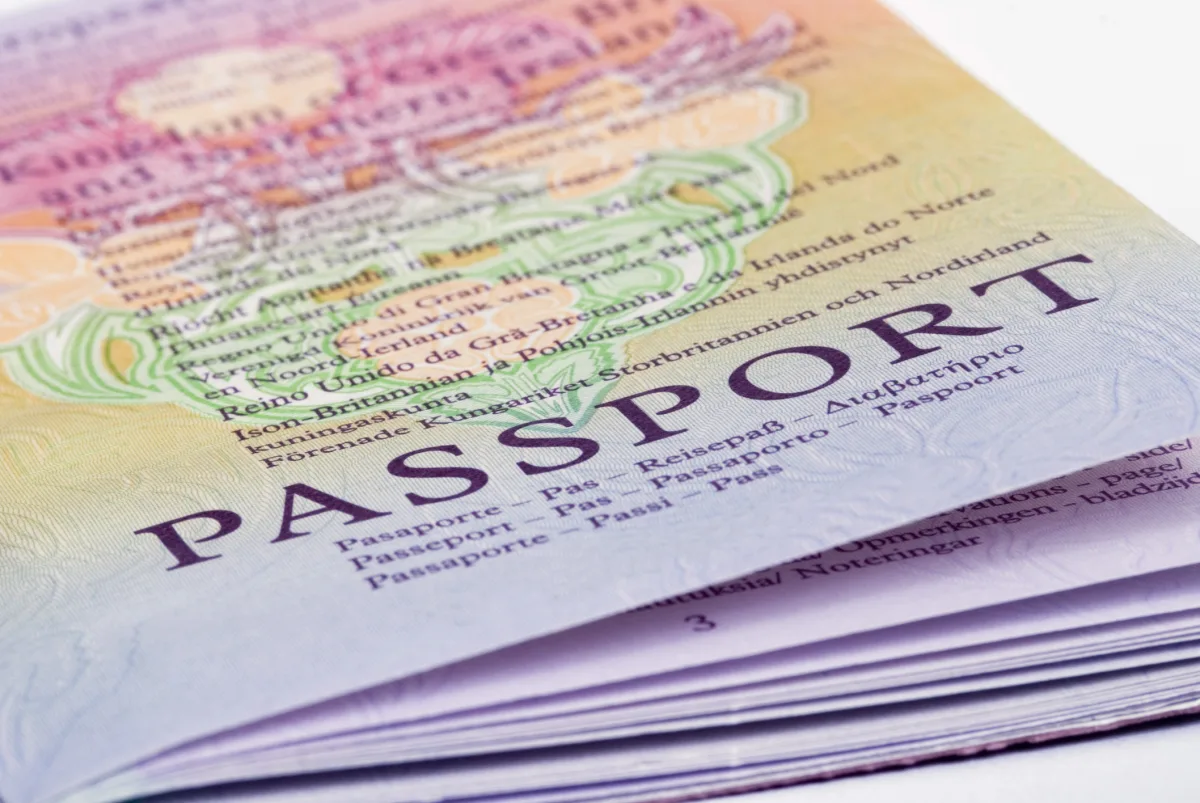
There’s no global definition of citizenship. Every country has its own rules about who is (and who is not) entitled to a passport, often (but not always) based on factors such as place of birth, parentage, or residency. The United States is amongst the most generous countries, given that anyone born in the US is automatically a citizen, regardless of their parents’ immigration or citizenship status. The United Kingdom is more selective. Ireland often appears ready to dish out passports to anyone who has drunk a pint of Guinness (in reality, it’s more complicated). Hungary has in recent years actively sought new citizens in territories that were once part of the Austro-Hungarian Empire, much to the chagrin of Romania, Serbia, Slovakia, and Ukraine.
Then there’s the question of dual nationality. Some countries allow it, many do not. Others make the lives of dual nationals needlessly complicated (such as the UK’s new entry rules which prevent dual nationals from entering the country on their second passport).
Taxation (despite what global tax lawyers might tell you) has always been a lot simpler. If you are resident in a country for more than 183 days in a tax year, you are usually liable to pay tax there, regardless of the colour of your passport. Plenty of countries have made great play of their low or zero income tax rates in order to attract wealthy foreigners (Monaco, traditionally; the United Arab Emirates more recently). But that tax free status rarely comes with citizenship.
Is sovereignty personal, or collective?
Those tax exiles in the UAE have in recent days been bearing the brunt of a wave of anger from a wide range of politicians who view them as unworthy of assistance. Why, after all, should a British citizen living tax free in Dubai benefit from UK taxpayer-funded assistance to bring them home? It’s a fair question, and one which goes beyond the morality of tax-efficient living and demands careful consideration, not least at a time when the number of so-called ‘digital nomads’ (who might or might not also be tax exiles) is growing. Is sovereignty personal, or collective?
The more libertarian view, and the one broadly held by Reinvantage, is that choosing to live in Monaco or Dubai (or anywhere else) is a personal decision that does not necessarily equate with abandoning one’s own country. It is a sovereign decision based often on personal, family circumstances, professional ambition, or simply the desire to pay less tax. Talent flows where it feels it will be respected and rewarded, and (or) given opportunities. And sometimes, the decision to up sticks and move to another country is driven by nothing more than the desire to live in a better climate.
Unless citizenship is renounced, however, none of this equates with abandoning or turning away from one’s home country. Emigrants (a word chosen carefully: the term ‘expat’ is a colonial legacy word best avoided), be they temporary or permanent, usually still make regular visits home to family and friends, will often vote in elections (and in some cases, notably in recent times Romania and Moldova, swing them) and retain vested interests. They may no longer live in their home country, but they have not abandoned it and their countries would do well not to abandon them. Indeed, when talent is scarce, they would do well to do all they can to make coming home attractive. Refusing help when needed is not the way to go about doing so.
Brain race
The market has already largely cottoned on to what governments are grudgingly beginning to understand. Estonia was the first country to formalise the global nature of residency and citizenship with its e-residency programme. Around 60 countries have since taken the slightly different digital nomad route, from Caribbean islands that spotted a pandemic-era opportunity to Italy. The pitch is usually simple: spend your foreign-earned income here, fill our cafés and coworking spaces, and maybe, one day, stay for good.
There are now some 40 million people worldwide living as digital nomads, a figure that has roughly doubled since 2020. In the United States alone, the number rose from 7.3 million in 2019 to more than 18 million in 2024. It is a structural shift in how skilled workers move, and governments can either adapt to it or stand on the platform watching the train leave.
Several countries in Central and Eastern Europe have been sharper than most. Georgia offers visa-free access to citizens of more than 95 countries for up to a year, making it one of the most accessible bases on earth. Croatia extended its digital nomad permit to 18 months in 2025. Albania launched a long-term remote worker scheme late in 2024, building on an already competitive cost base.
The loyalty premium
What these countries understand, and what the critics of UAE-based British nationals apparently do not, is that mobility is not defection. A British engineer or designer working out of Dubai is still paying someone’s salary somewhere, still flying home to see family a few times a year, still voting, still invested in outcomes back home. Refusing consular assistance on the grounds that their tax affairs happen to be arranged efficiently is not a principled stance. It is, frankly, a rather petty one.
Governments are of course entitled to have expectations of their citizens, and renouncing citizenship should remain a meaningful act. But between that and full-time, tax-paying residency lies a vast and occupied middle ground, namely the tens of millions who live abroad without severing ties, who return after a few years, who buy property at home and send money back for ageing parents. Treating them as second-class citizens is a reliable way to ensure that, eventually, they become exactly that.
Countries that grasp this will attract and retain mobile talent. Those that do not will find, rather too late, that loyalty is not an inheritance. It has to be earnt.
Photo: Dreamstime.