


For an organisation which exists primarily to advocate for, and help organisations with, reinvention, it might at first appear counterintuitive for a Reinvantage writer to plead for an end to reinvention in any particular sector. Sport, however, is different. Few areas that command such global attention have seen as much reinvention as sport in recent years, so much so that the experience of attending a sporting event (certainly outside of the United States, where sport has long been a spectacle to which the actual match is almost peripheral) has become unrecognisable.
Two sports have led the way in this unwanted reinvention: football (of the association kind, soccer) and cricket. Once firmly rooted in local communities both sports have become global enterprises that attract huge television audiences.
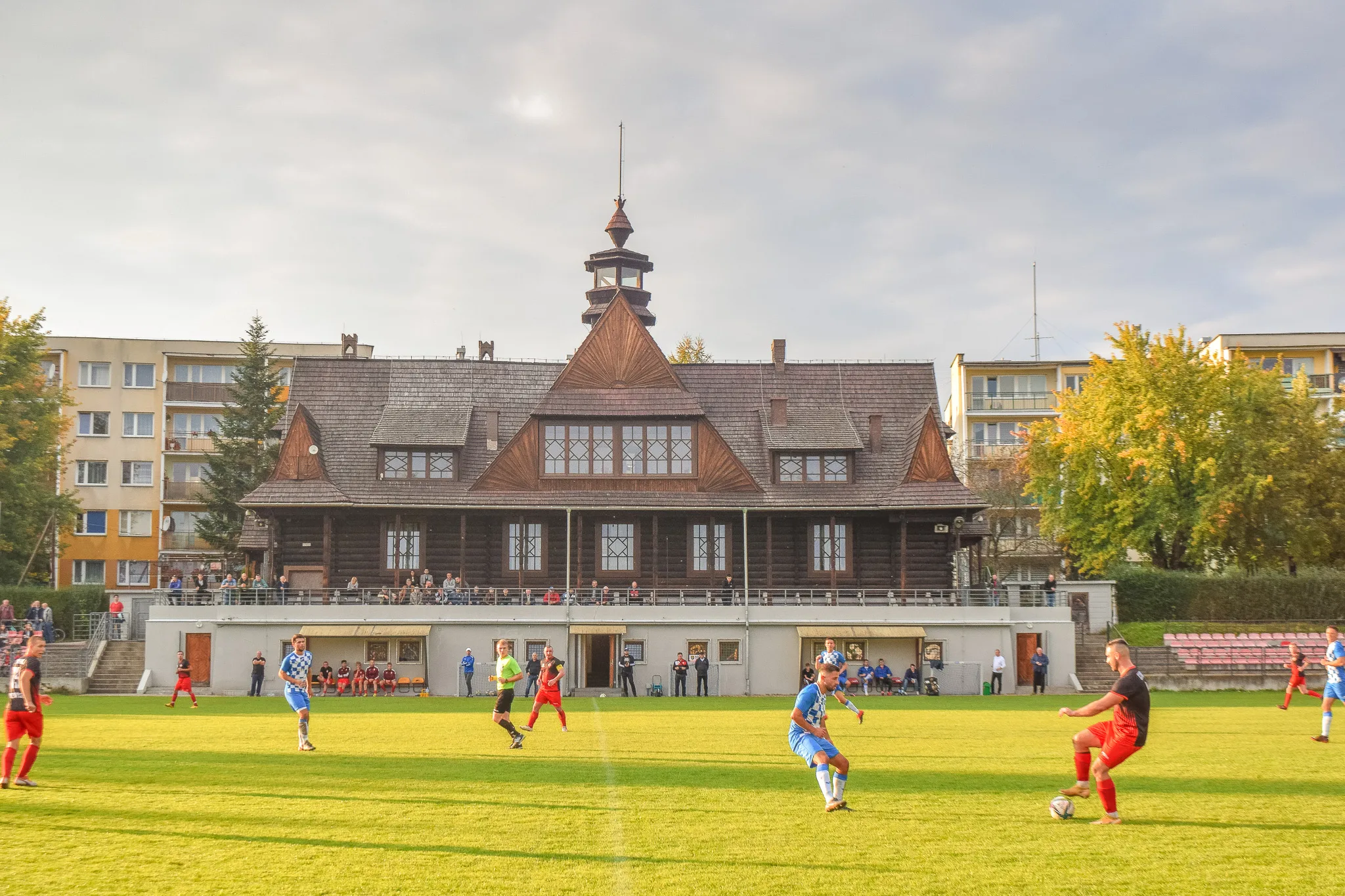
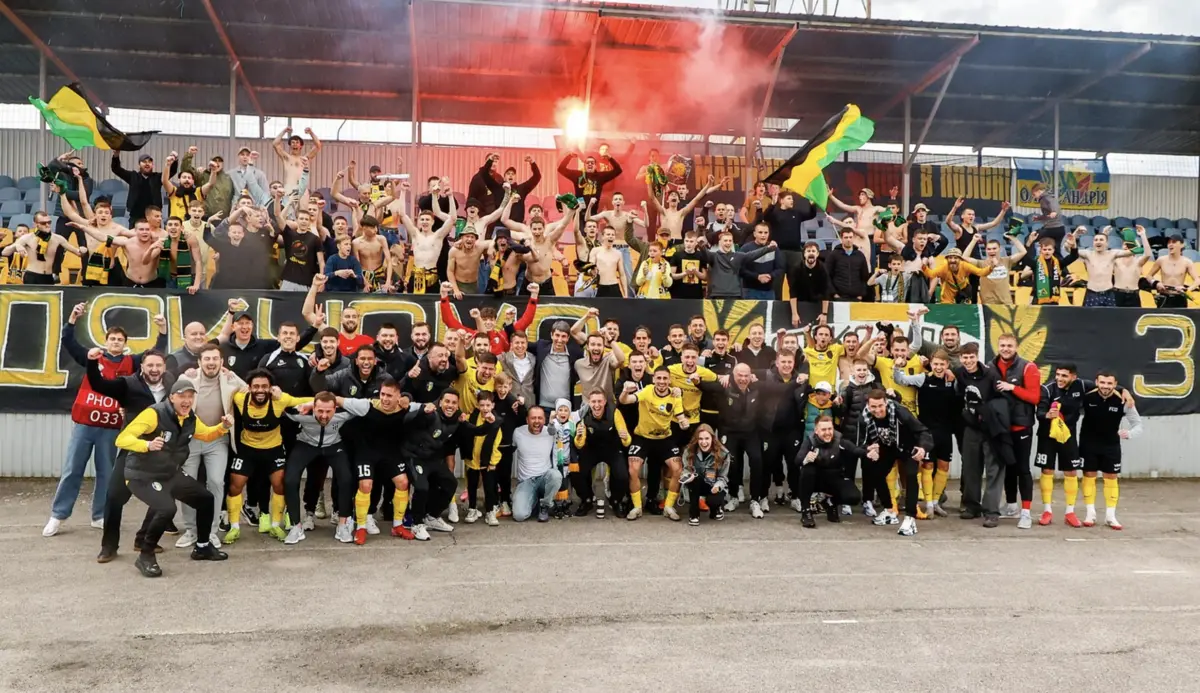
Football is the more egregious offender. The price of attending, at least at the highest level, has increased well beyond the means of many who once considered going to the match a birthright. The average Premier League season ticket rose by eight per cent in 2025-26, with Arsenal’s most expensive season ticket climbing above 2,100 UK pounds. Some clubs have not merely raised prices but also dismantled concession rates for elderly supporters and children.
Not that clubs lose much sleep over this. The thinking, if it can be called that, is straightforward: if locals cannot afford the seats, tourists will fill them. The Premier League is a global product, and the globe, largely, does not know or care that a working-class supporter from Islington or Hackney can no longer afford the Emirates. Clubs talk cheerfully about enhancing the matchday experience with gimmicks such as pre-match DJs, fan zones, selfie walls. To any true supporter, the only wanted enhancement to the matchday experience is a victory for their team.
The tourist-fan model is not a recipe for long-term sustainability. Atmosphere is a product of belonging, and belonging is a product of history. When regulars are priced out, what remains is a performance of fandom rather than the thing itself. Grounds become expensive theme parks. The Football Supporters’ Association has been making this argument for years, with limited success. Its ‘Stop Exploiting Loyalty’ campaign has gained traction, but prices have continued to rise.
Stumped
Cricket, meanwhile, has been busy reinventing itself almost out of existence. The Twenty20 (T20) format, launched in England in 2003, had genuine merit: it brought new audiences to the game and generated television revenue that sustained the more fragile corners of the domestic structure. But the logic of perpetual innovation proved irresistible. The so-called Hundred, introduced by the England and Wales Cricket Board (ECB) in 2021, reduced the game to 100 balls per side, a format that bears no ancestral relationship to the five-day matches from which cricket draws its identity, tradition, and, arguably, its soul.
Cricket lovers haven’t fallen for the rebranding. After some initial success, by 2024, Sky Sports audiences for the men’s Hundred competition had fallen by 28 per cent year-on-year, with an even steeper 41 per cent decline for the women’s. Total match attendance dropped by around seven per cent. The ECB, displaying remarkable resilience in the face of evidence, is now reportedly considering converting the Hundred to a T20 format while keeping the name. One might wonder what, at that point, the name would mean.
The American takeover
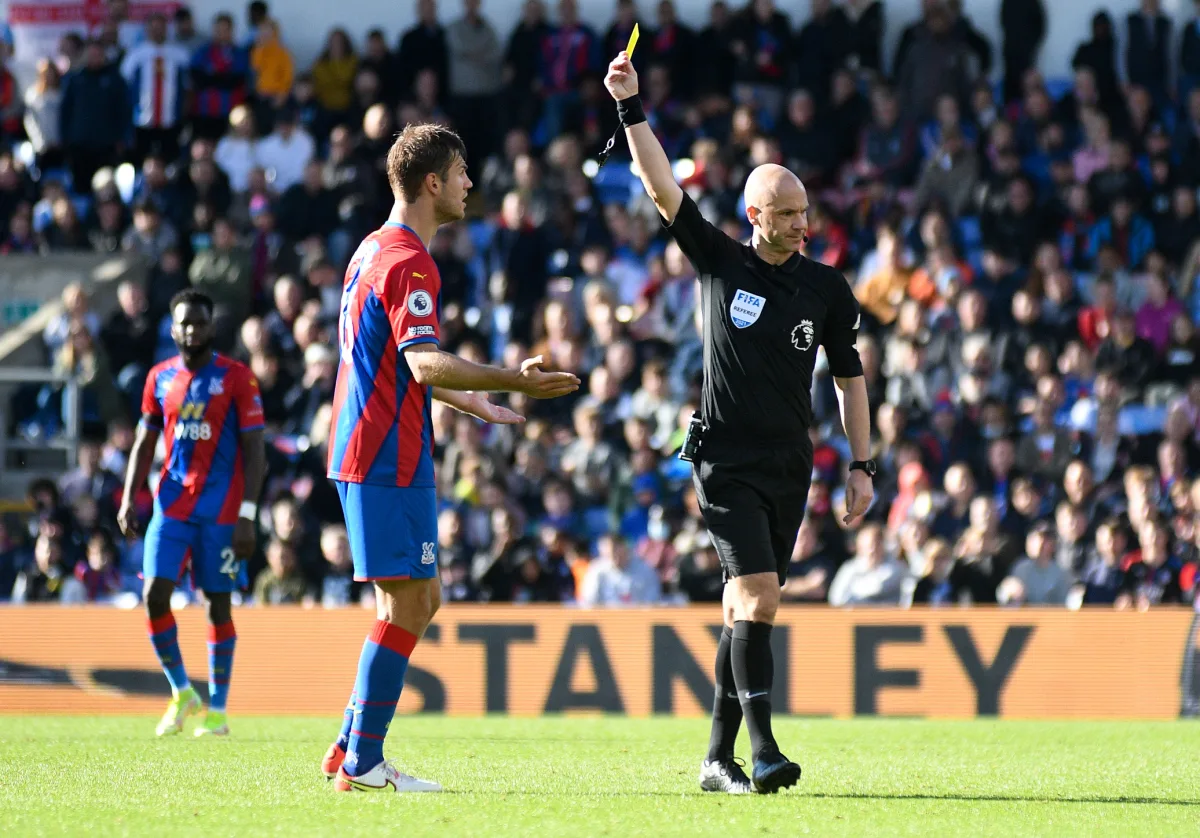
Into this landscape of restless modification steps FIFA, football’s global governing body, with its own contribution to the genre. When the 2026 World Cup kicks off across North America this summer, referees will stop play at the mid-point of every half for a three-minute ‘hydration break’. The ostensible reason is player welfare, given the high summer temperatures expected across venues in the United States, Canada and Mexico. The actual motive, which FIFA has not been at great pains to conceal, is rather more commercial. Broadcasters have been given a window to cut to advertisements. Football’s two 45-minute halves will, in effect, become four quarters.
The value of that window is not hard to calculate: a 30-second slot during the 2022 World Cup final cost US advertisers around one million US dollars. American sports fans, long accustomed to broadcast structures built around commercial interruption, will notice nothing untoward. The rest of the world will notice plenty. “The American takeover of football is horrible,” ran one widely-shared post on X. It was not the most elegant of formulations, but the sentiment was clear.
There is a lesson here that extends well beyond sport. Reinvention, in any sector, carries a concealed cost, namely the erosion of the original proposition that made the product worth reinventing in the first place. Cricket without the test match is not cricket. Football without working-class fans is a theme park. A World Cup interrupted by advertisements is content, not a tournament.
The best reinventions enhance what already exists. The worst replace it with something that looks similar but has been totally hollowed out. Other industries contemplating radical reinvention would do well to ask the question sport has so far refused to: At what point does change become damage? Sport, right now, is busy discovering the answer.
Photo: Dreamstime.