



For decades, public debate has clung to a comforting arithmetic: create enough jobs and society will hold. The logic is simple, almost soothing. Employment equals stability. Growth equals progress. Work, of any kind, equals purpose. That arithmetic no longer works.
Across capitals and conference halls, one still hears earnest talk of job creation—how many roles this investment will unlock, how many posts that policy will generate. It is the language of an era when work changed slowly and institutions could keep pace. Today, work is mutating faster than the systems designed to organise it. The social contract is breaking not because people are unwilling to work, but because work itself is no longer delivering what it once promised: meaning, security and belonging.
Technology has accelerated this rupture, but it did not cause it. Long before artificial intelligence entered boardroom slide decks, many jobs had already become fragile, transactional and oddly hollow. Productivity rose. Engagement did not. Employment numbers looked healthy. Trust did not. AI merely strips away the remaining illusions.
Job value, not quantity
We are told, repeatedly, that reskilling will save us. That if workers learn fast enough, pivot often enough, adapt hard enough, the system will rebalance. It is a reassuring narrative—and an incomplete one. Reskilling matters, but it will not save everyone. Not all work can be future-proofed. And not every displaced role will be replaced with something equally stable, valued or meaningful.
The uncomfortable truth is this: governments are still optimising for job quantity when the real deficit is job value. We count roles created, not lives improved. We celebrate participation rates while ignoring precarity. We obsess over employment statistics while quietly accepting that much of the work on offer no longer supports a decent, dignified life.
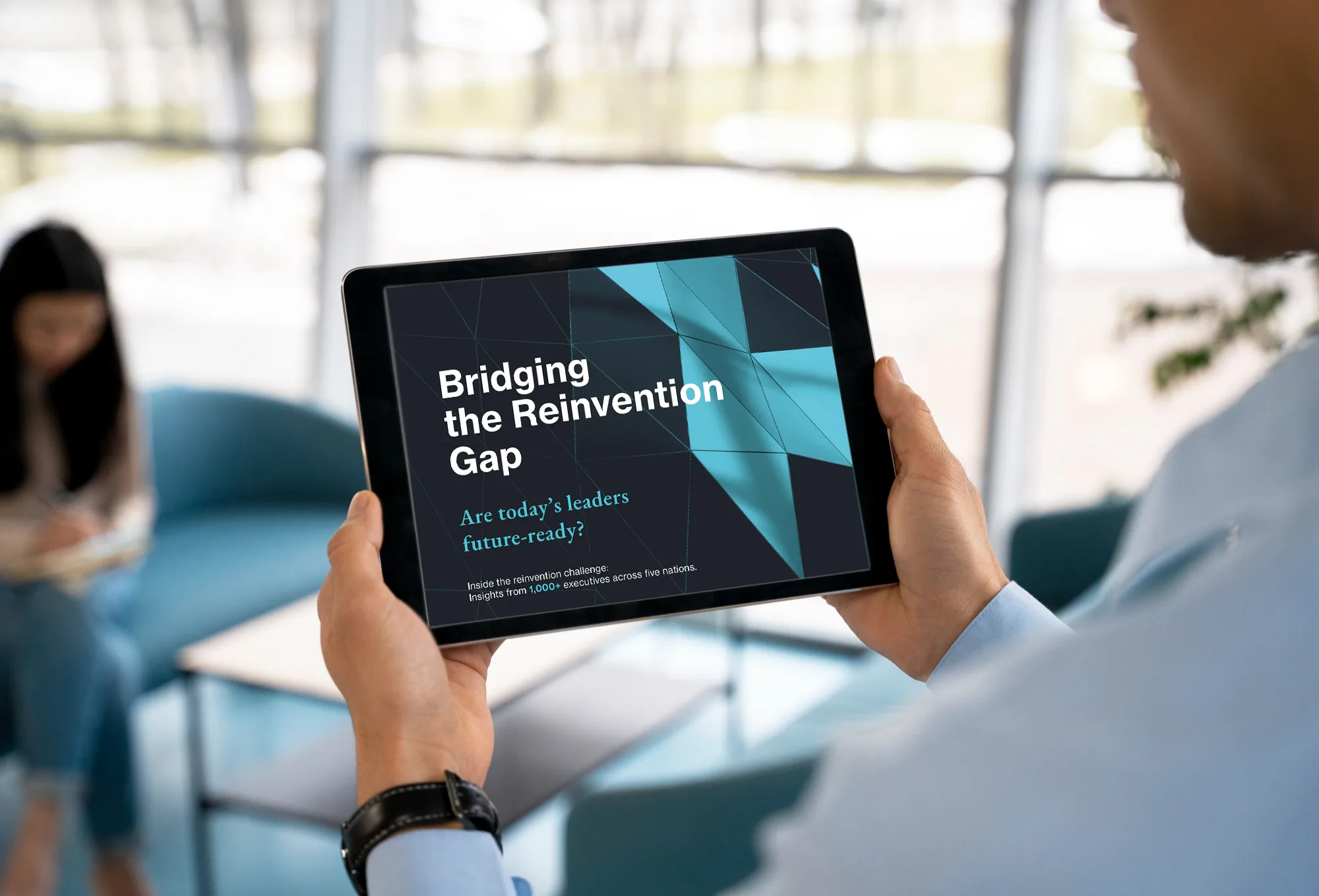
Bridging the Reinvention Gap
Business, meanwhile, is conflicted. Organisations speak eloquently about purpose, yet design operating models that treat people as adjustable inputs. Automation is framed as liberation, but too often delivers anxiety instead. Leaders ask how technology can replace tasks, rarely how it reshapes identity. When work disappears, it is presented as an efficiency gain. For those affected, it is something else entirely.
Education is no less exposed. We continue to prepare people for roles that may not exist, careers that may fragment, and ladders that no longer lean against anything solid. Lifelong learning is rightly championed, but learning to do what—and for what end? Adaptability alone is not a vision. What is missing is a serious conversation about the social contract itself.
New assumptions
For most of the post-war period, the deal was implicit but clear: contribute through work, and the system will reward you with security, status and a sense of place. That bargain assumed stable employers, predictable careers and a broadly shared understanding of progress. None of those assumptions now hold.
Reinvention, then, cannot stop at skills programmes or workforce initiatives. It must extend to how we define contribution, how we distribute security, and how we recognise value beyond paid employment. Care, creativity, community-building and learning have always mattered; they have simply sat outside the formal economy’s spotlight. As traditional work thins out, these forms of contribution become more, not less, central to social cohesion.
This is not an argument for nostalgia, nor for retreat. Work will continue to matter. Purpose will continue to matter. But the link between the two can no longer be taken for granted. A future-ready society is one that decouples dignity from employment status, security from constant productivity, and worth from job titles.
That requires courage from all sides. Governments must move beyond counting jobs and start designing systems that guarantee stability and meaning even when work fluctuates. Businesses must confront the human consequences of efficiency, not just the financial ones. Education must prepare people not just to adapt, but to navigate uncertainty with agency.
The question we should now be asking is not how many jobs we can create. It is this: what do you owe people when work disappears? That answer will define whether reinvention becomes a path to renewal—or a slow unravelling of trust.
Photo: Dreamstime.