

In March, Toshihiro Mibe, Honda’s chief executive, scrapped three electric models his company had spent years promising. The writedown came to just under 10 billion US dollars, and Honda booked its first annual loss in 70 years. Mibe was blunt: it had become “extremely difficult to ensure profitability”. The targets that once justified the spending were quietly dropped. Weeks earlier Jim Farley’s Ford had taken a 19.5 billion US dollars charge and killed the electric F-150 Lightning in favour of a petrol-fed version. By late March the Sony-Honda venture run by Yasuhide Mizuno had walked away from its Afeela saloon, which never reached a single showroom.
Sir Keir Starmer declared the United Kingdom’s Rwanda deportation scheme “dead and buried” on his first full day in office, in July 2024. Suella Braverman, the home secretary who had championed it in cabinet, insisted it would have worked “had it been delivered properly”. James Cleverly, another former home secretary, defended it too. Yvette Cooper, the incoming one, put the cost to Parliament on July 22: 700 million UK pounds spent, 290 million of it sent to Kigali, for four people removed, all of them voluntarily. She called it, “the most shocking waste of taxpayers’ money” she had ever seen. The policy had been proposed under Boris Johnson in 2022 and ruled unlawful by the UK’s Supreme Court in November 2023; the government’s answer was an Act of Parliament declaring Rwanda safe. It outlasted Liz Truss and Rishi Sunak before Labour’s victory at a general election finished it off. Rwanda’s government was under no obligation to give the money back.
No reverse gear
Magnus Brunner, the European Union’s home affairs commissioner, declared the bloc’s Entry/Exit System (EES) fully operational on April 10, 2026, a step he said was “modernising and enhancing the security of Europe’s external borders”. The Commission had first proposed it in April 2016, under Jean-Claude Juncker, and adopted it in 2017; switching it on took until 2026. The design was simple enough. A non-EU visitor gives fingerprints and a facial image once, to a central database run by the bloc’s technology agency, then crosses on a quick scan for three years. Olivier Jankovec, who runs the airports’ association ACI Europe, had warned the previous December that the half-finished system was already inflicting “significant discomfort”. Between October and April it logged 52 million crossings and turned away 27,000 people.
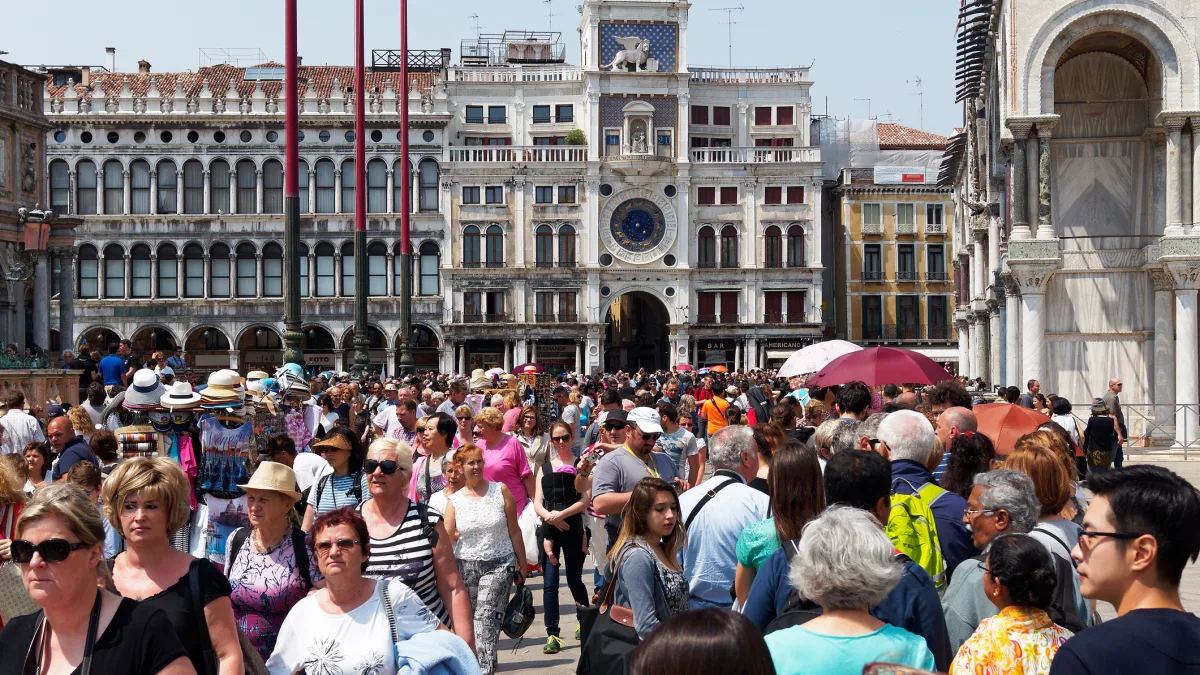
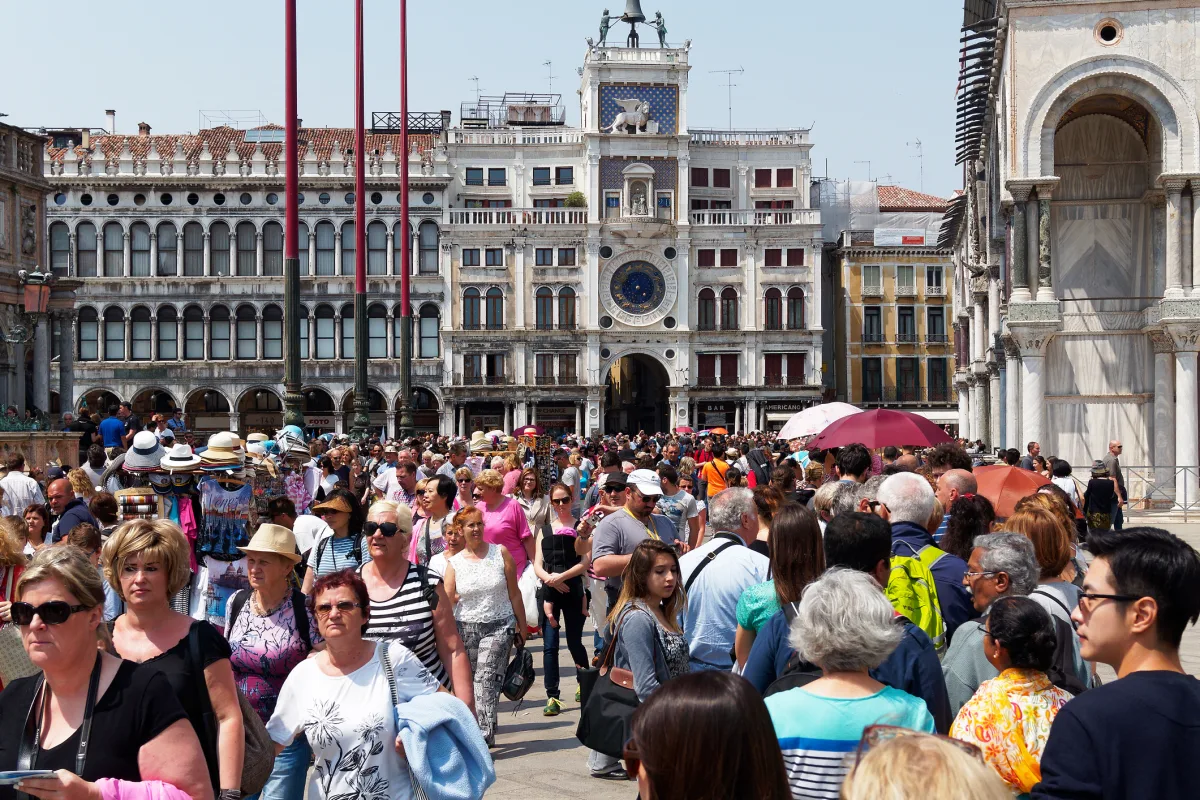
Jankovec had seen it coming. His December warning gave way, by February, to a joint letter: he, Ourania Georgoutsakou of Airlines for Europe and Thomas Reynaert of the carriers’ body IATA told Brunner there was a “complete disconnect” between the Commission’s confidence and the arrivals hall. The detail was concrete. Lisbon had suspended the system after queues reached seven hours; in France the automated gates still could not read a British or American passport months after launch; enrolment had lengthened processing by as much as 70 per cent. The Frontex app meant to speed things up worked in only a couple of countries. Greek border police carried on stamping British passports into the spring, and the Commission could only remind the Greek authorities of the rules. Brunner held the deadline anyway. In April more than 100 easyJet passengers missed a flight from Milan to Manchester, stuck in the queue the system was supposed to shorten. Queues at the EU’s borders could reach six hours this summer, the IATA, the airline trade body, has warned.
In September 2024, Mario Draghi handed Ursula von der Leyen a 400-page report on Europe’s competitiveness, in which the former central banker called it “crucial to reduce the regulatory burden on companies”. More than 60 per cent of EU firms, his team found, already treated regulation as an obstacle to investment. The same airlines fighting the border system had told Brunner that flexibility was a prerequisite for the bloc’s reputation as a welcoming and desirable destination. Von der Leyen made competitiveness her second-term slogan, launched a Competitiveness Compass in January 2025 and promised to thin the rulebook. A year on, an independent observatory in Brussels counted 43 of Draghi’s 383 recommendations as fully implemented, around one in nine; at a conference that September Draghi said every problem he had named had got worse. Christine Lagarde endorsed his domestic-reform agenda that November. In 2026 he collected the Charlemagne Prize for the report.
Mibe had pointed Honda toward cheaper hybrids before the writedown cleared its books. Brunner could make no such turn: the EES, adopted in 2017 and years in the building, might be paused for a summer but never unwound. Political capital, once spent, is far harder to write off. Von der Leyen had spent the year promising investors a faster, lighter Europe, but the packages that thinned reporting rules for small firms left the border system exactly where it stood. The carmakers had already moved on. Until governments and supranational bodies such as the EU learn to be as agile as the companies they want to attract, they will continue to be left behind. Or stuck at the border.
Photo: Dreamstime.