New Technology
Watch and learn
Firms that outlast a technological shock reinvent themselves around it
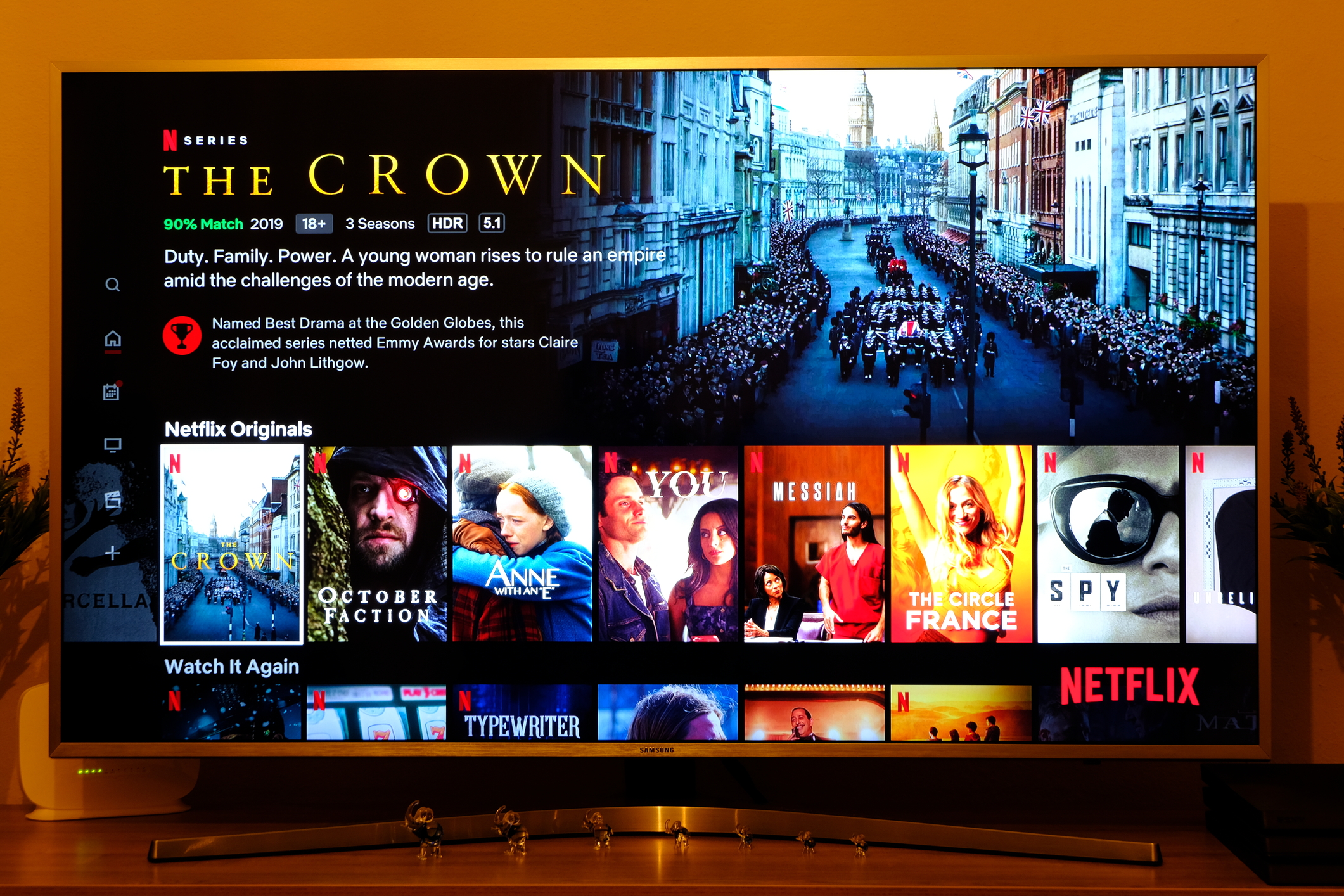
Netflix did not set out to become a streaming platform when it was founded in 1997. Instead, it was a rather mundane DVD rental service that nevertheless made a few notable changes to the rental business model, most importantly in 1999 when it scrapped per-rental fees in favour of a monthly subscription that allowed its customers to rent as many films as they wished. It wasn’t until 2007, a full decade after it was founded, that Netflix began streaming content, and not until 2012 that it began producing its own content (the gentle mob comedy-drama Lilyhammer. House of Cards, often erroneously cited as its first foray into content production, came a year later).
There’s a very simple reason for Netflix not starting out as a streamer, namely that the technology to deliver content over the internet did not really exist in 1997, at least not at the resolution and scale that a service such as Netflix would have required. The firm, now the largest dedicated paid subscription streaming service in the world by subscriber count, with over 325 million global subscribers, is a prime example of how a company can pivot to a slightly different business model (it still offers content for a monthly subscription, only the method of delivery has changed) as technology develops. Far too many other firms, however, panic when new technology threatens to make them obsolete and double down on what they have. Embracing new tech, and working out how it can be incorporated into existing value chains in order to enhance them is, alas, rare.
Artificial intelligence (still known as such despite US President Donald Trump’s stated wish to rechristen it ‘super intelligence’) is today the tech that most firms fear. More or less every company knows that it will need to incorporate AI but few have yet to work out how it might enhance their business models. There is, indeed, a growing body of evidence to suggest that they have not.
The most commonly cited evidence comes from a study carried out by the NANDA initiative at the Massachusetts Institute of Technology (MIT), published in 2025, which found that 95 per cent of corporate generative-AI pilots had produced no measurable return at all, despite throwing somewhere between 30 and 40 billion US dollars into such pilots. What’s interesting is that most of these pilots failed because they tried to bolt on new technology without really considering how it might enhance the business model, not because they were necessarily bad ideas.
For AI (or any other tech) to pay off, pilots and projects making use of it do not necessarily need to be the cleverest models, simply those that reinvent and enhance real processes around it.
The few firms that have successfully gone the other way have done so by taking a good, deep look at themselves, tearing their operations apart in order to allow them to make use of tech in a way that leads to progression, not stagnation. Love it or loathe it, Duolingo, the language-learning app, is one. In April 2025 its boss, Luis von Ahn, told staff in a memo that soon leaked to the press that the company was going ‘AI-first’. Nothing too revolutionary there (plenty of companies have pledged to go ‘AI first’). The difference was that Duolingo knew what it was going to do with AI, and two days later it launched 148 new courses built with generative AI, more than doubling a catalogue of courses whose first hundred had taken around 12 years to put together. Its rivals have largely taken the ‘bolt on an AI chatbot to what we already have’ approach. What Duolingo did was less visible and a good deal harder: it rebuilt the way in which it develops and writes courses, so that the process of doing so took weeks (or less) instead of years.
The lesson here is that for AI (or any other tech) to pay off, pilots and projects making use of it do not necessarily need to be the cleverest models, simply those that reinvent real processes around it, rather than sticking a (albeit sophisticated) chatbot next to the old one and hoping for the best (and getting, usually, the worst). It is quite often dull, internal work that rarely gets much external attention, which is much of why so few firms manage it (or even bother with it). The comfort for the luddites, those companies who have deployed nothing and feel rather prudent for it, is that they have not wasted any money yet (although the discomfort is that they have not learnt anything either).
Plenty of people foresaw streaming, and it’s a moot point as to whether Netflix did or did not. Ultimately, it’s irrelevant, because when the technology to allow streaming at scale appeared, Netflix prospered because it found a way to use the technology to enhance its existing model, which (it should be said) it had already spent years reinventing (the ‘all-you-can-rent’ monthly subscription, the recommendation engine). All it had to do was incorporate tech that allowed the same content to be delivered through internet cables rather than through a letterbox. To stretch the metaphor to breaking point, AI is now, in a way, coming for everyone else's letterbox. Blockbuster (which turned down the chance to buy Netflix in 2000) eschewed streaming and the tech behind it and went bankrupt in 2010. It treated the threat as something to be managed, which it did, right up to the day it was gone. It did so because its current model was working. The smart option would have been to take that model apart and work out where streaming could fit in. Companies today need to do the same with AI. It is they who will be the survivors.
The byline Reinvantage Insight is used to denote articles to which several members of the Reinvantage insight and analysis team may have contributed.