
Trimming the fat
New names and logos are rarely genuine reinvention
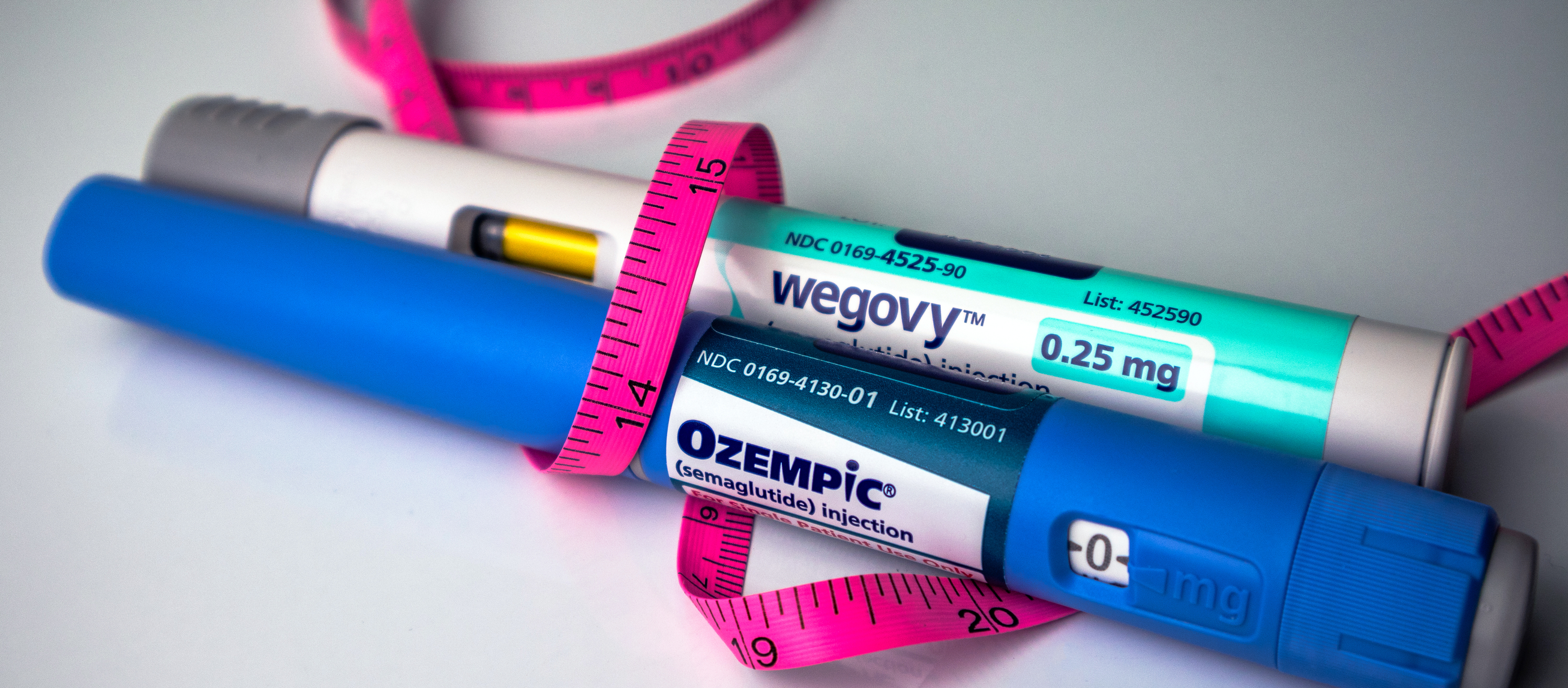
There will be plenty of Ozempic users who have no idea that the name of the pharmaceutical company behind it is Novo Nordisk. Fewer still will know that the manufacturer of the miracle slimming cure (which also appears to come with an ever-growing list of other positive uses—it lowers long-term risks of nerve, kidney, and eye damage related to diabetes, and decreases the risk of stroke, heart attack, and death in high-risk patients) is Danish. Users of Ozempic know it as simply that, Ozempic, and care little about the company behind it or its roots (as a global pioneer and dominant producer of insulin and diabetes care products. Indeed, Ozempic was developed as a long-acting treatment for type 2 diabetes, before the weight-loss effects noticed during clinical trials led to an intentional repurposing for obesity under the brand name Wegovy).
Novo Nordisk does appear to care about its name, however, and last week announced that it would be using simply Novo for everyday use, dropping Nordisk. “Healthcare must become more responsive, relevant and easier to fit into everyday life. Our brand and culture are strategically important and will enhance how we operate and compete, but the reason we exist will not change. We remain true to our purpose of changing people’s lives and are ambitious about our future to help them have lasting health, starting right now," said the firm’s president, Mike Doustdar, explaining the reasoning behind the new branding strategy.
According to the Financial Times, Novo became Europe’s most valuable company in 2023 thanks to an early lead in obesity jabs. However, it has since lost market share to rival Eli Lilly’s Zepbound and Mounjaro in the US, because the latter was quicker to launch sales directly to consumers.
Novo’s rebranding, however, is far less a reinvention than the pivot that led it to market Ozempic not as a diabetes drug but as a weight loss aid. It remains to be seen if the rebrand will have the desired effect of bringing it closer to its direct customers, given that other rebrands have had mixed results, often disguising underlying problems.
In 2018 the then boss of Weight Watchers, whose target market was almost identical to that of Ozempic, renamed the firm WW, added the tagline Wellness that Works, and tried to reinvent what was fundamentally a diet company as a more holistic, wellness-oriented firm. The change caused a certain amount of confusion, even if the core product of meetings and subscriptions changed little. The firm survived Chapter 11 bankruptcy in 2025 (and premature proclamations of its demise) and is now back, looking to find a market as a complement to Ozempic (and similar drugs). What reinvented the business of losing weight however was not the Weight Watchers rebrand, but Ozempic.
What are rebrands for?
A very different sector it may operate in, but Meta offers another case study worth looking at. When Mark Zuckerberg turned Facebook into Meta in October 2021, he was betting the future on what he called the metaverse, the "successor to the mobile internet". Many of the ingredients of reinvention were present, including structural change in abundance (a new division, new products), but the reinvention the new name promised never really quite came to pass, in that the metaverse remains a place where almost nobody spends anytime. By the end of last year Zuckerberg was slimming (pun entirely intended) the metaverse budget to spend more on AI.
Which brings us back to Novo, and to what a rebrand is actually for. Novo has, after all, reinvented itself before, and properly. Turning a diabetes drug into the obesity blockbuster Wegovy, once someone noticed what semaglutide did to appetite, changed what the company sold and to whom. Dropping Nordisk only really changes what the firm is called. Tellingly, perhaps, Novo Nordisk A/S remains the legal name, with the new identity confined to the consumer-facing parts of the firm, and the freshly minted culture (‘The Novo Way’) leads with the principle titled ‘Customer Obsession’. But the reason Eli Lilly drew ahead was not any shortage of obsession, instead the simple fact that it was that Lilly managed to get straight to the consumer with cheaper vials while Novo was selling through doctors and pharmacists.
The average Ozempic user will remain totally unbothered about who makes the stuff. Doustdar, the president quoted above, knows the trouble is structural: it was he who, in September 2025, cut 9,000 jobs, the largest single layoff in Danish history, as Lilly pulled clear in the American market. Whether that amounts to reinvention or merely a restyling is not a question a new logo can answer. Doustdar has to answer it on September 21, when he presents Novo's strategy to investors in London.
The byline Reinvantage Insight is used to denote articles to which several members of the Reinvantage insight and analysis team may have contributed.